How to Secure Your Acre: Expert Security Tips for Property Protection
Securing your acre of land requires a comprehensive, multi-layered approach that combines physical barriers, surveillance technology, and strategic planning. Whether you own a residential property, agricultural land, or rural estate, understanding the fundamentals of property security is essential in today’s threat landscape. Trespassers, theft, and unauthorized access pose significant risks to landowners, making professional security measures not just advisable but necessary.
This guide explores proven strategies to protect your property perimeter, deter criminal activity, and establish a security framework that works 24/7. From fence installation and lighting to advanced monitoring systems, we’ll cover actionable steps that security professionals recommend for acre-sized properties. The investment you make in securing your acre today prevents costly losses, liability issues, and peace-of-mind disruptions tomorrow.
Physical Perimeter Security Measures
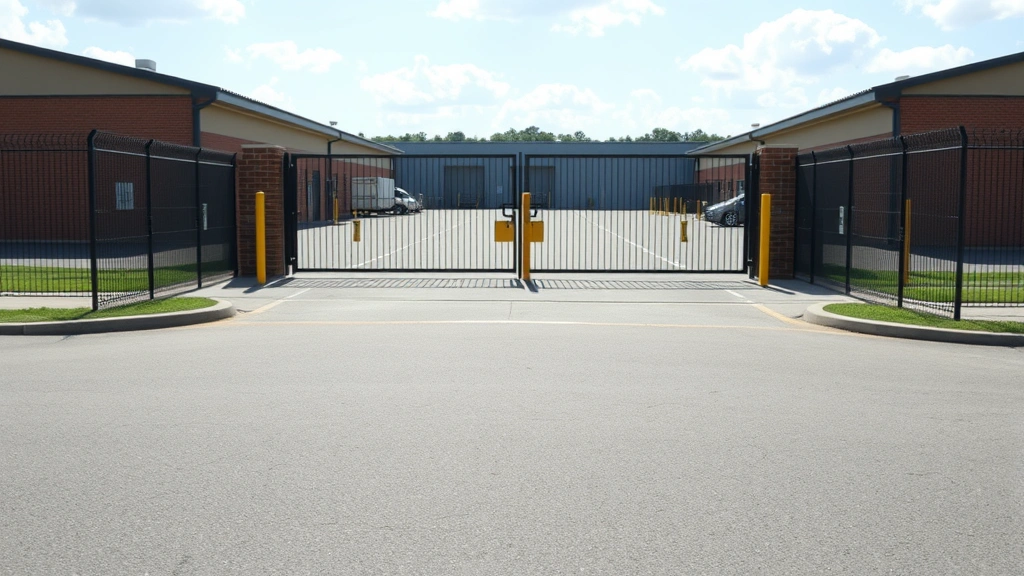
The foundation of acre security begins with establishing a robust physical perimeter. A well-maintained fence serves as your first line of defense, creating a clear boundary that deters casual trespassers and slows determined intruders. For acre-sized properties, experts recommend fences at least six feet tall, constructed from materials like chain-link, wood, or metal that cannot be easily breached. The fence should be inspected regularly for damage, gaps, or deterioration that compromises its integrity.
Beyond fencing, consider implementing secondary barriers such as hedge rows, berms, or ditches that create additional obstacles. These natural or constructed features make unauthorized access more difficult and time-consuming, increasing the likelihood that intruders will abandon their efforts. Security professionals from CISA (Cybersecurity and Infrastructure Security Agency) emphasize that layered physical security creates redundancy—if one barrier is breached, others remain intact.
Gates represent critical access points that require special attention. Install heavy-duty gates with robust locks, preferably automated systems that restrict entry to authorized personnel only. Cattle guards or vehicle barriers prevent unauthorized vehicle access while allowing legitimate traffic. For properties with multiple entry points, prioritize securing the primary access routes first, then expand security measures to secondary entrances.
Maintenance is crucial to physical security effectiveness. Regular inspections identify weak points before they become vulnerabilities. Check for rust, rot, loose posts, and damaged sections quarterly. Trim vegetation near fences to eliminate hiding spots and maintain clear sight lines. This proactive approach prevents security degradation that invites criminal opportunity.

Surveillance and Monitoring Systems
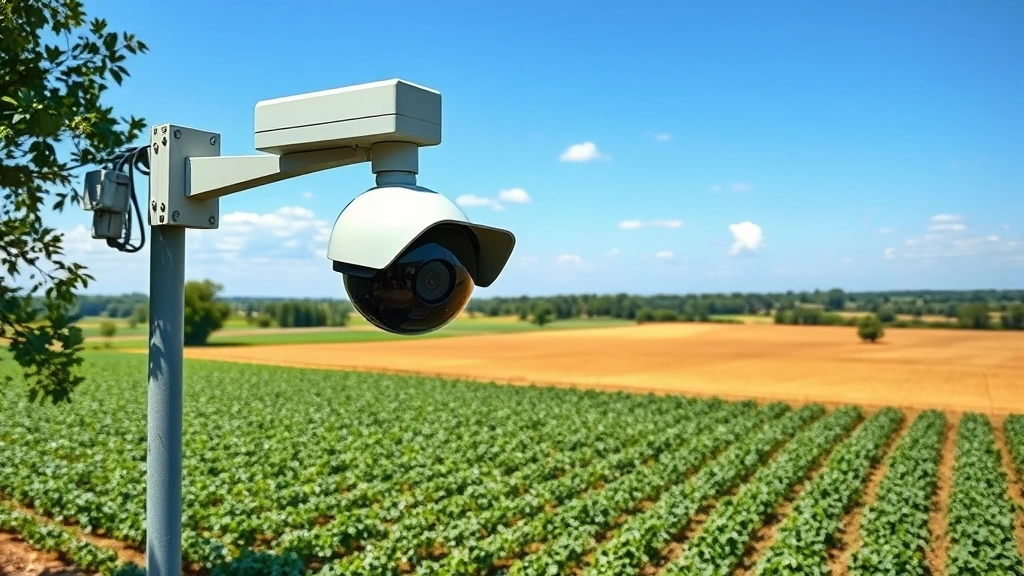
Modern surveillance technology transforms acre security by providing continuous monitoring and evidence collection capabilities. CCTV cameras strategically positioned around your property perimeter create comprehensive coverage that deters criminal activity and documents incidents if they occur. Professional-grade cameras offer features like night vision, motion detection, and high-resolution recording essential for identifying intruders and supporting law enforcement investigations.
When installing surveillance systems, prioritize camera placement at entry points, along fence lines, and covering blind spots where intruders might approach undetected. A combination of fixed and pan-tilt-zoom (PTZ) cameras provides both constant monitoring and flexible coverage. Ensure cameras are positioned to capture faces clearly, as this dramatically improves identification accuracy and prosecution potential.
Cloud-based recording systems eliminate dependency on physical storage devices that can be damaged or stolen. These systems transmit footage to secure servers, ensuring evidence preservation even if on-site equipment is compromised. Consider systems with real-time alerts that notify you immediately when motion is detected, allowing rapid response to security threats.
Integration with NIST cybersecurity guidelines ensures your surveillance infrastructure is protected against digital attacks. Your security system is only effective if it cannot be disabled or manipulated by hackers. Choose systems from reputable manufacturers that provide regular security updates and employ encryption protocols.
Audio recording capabilities add another layer of evidence collection, though local laws regarding audio recording vary significantly. Consult legal counsel before implementing audio surveillance to ensure compliance with privacy regulations in your jurisdiction. Some states require consent from all parties before recording conversations.
Access Control and Entry Points
Controlling who enters your property is fundamental to acre security. Implement a tiered access system where different areas have different security requirements. Your main residence or critical infrastructure receives highest protection, while peripheral areas may have relaxed restrictions. This approach focuses resources where they matter most.
Install keycard or biometric access systems at primary gates and entry points. These technologies provide accountability—every access event is logged with timestamp and user identification. This creates an audit trail that helps identify unauthorized access attempts and suspicious patterns. Biometric systems using fingerprints or facial recognition offer superior security compared to traditional keys that can be lost or duplicated.
For properties with employees or regular visitors, establish visitor management protocols. Require sign-in procedures, issue temporary access credentials, and maintain visitor logs. This documentation proves invaluable if theft or damage occurs, as it establishes who had access during specific timeframes. Train staff to challenge unfamiliar individuals and verify credentials before granting access.
Smart locks with remote access capabilities allow you to grant temporary access to contractors, emergency responders, or other authorized personnel without being physically present. You can revoke access instantly if circumstances change, providing flexibility and security. Choose locks compatible with your overall security infrastructure for seamless integration.
Create a master access list documenting all keys, codes, and credentials issued. When employees leave or contractors complete work, immediately revoke their access. Many security breaches occur because former employees retain access credentials. Regular audits of active access accounts prevent this vulnerability from developing.
Lighting and Visibility Strategies
Adequate lighting eliminates shadows where intruders can hide and makes criminal activity riskier for perpetrators. Strategic placement of motion-activated floodlights around your acre’s perimeter creates zones of visibility that deter trespassers. These lights activate only when motion is detected, reducing electricity costs while providing effective coverage.
Install lighting at all entry points, along fence lines, and in areas with restricted visibility. Pathways and parking areas require particular attention, as criminals often use darkness to approach undetected. Solar-powered lights offer cost-effective solutions for remote areas where electrical infrastructure isn’t readily available.
The human element of visibility matters significantly. Overgrown vegetation, dark corners, and blind spots create opportunities for concealment. Regular landscaping maintenance removes hiding places and improves sightlines from your residence or security office. Trim tree branches above six feet to prevent climbing routes over fences.
Consider installing security cameras with built-in lighting or pairing cameras with illumination systems. This combination ensures footage quality remains high even in darkness while discouraging criminals who know they’re being recorded. Many modern systems integrate lighting and surveillance for coordinated protection.
Visibility extends to human presence as well. A property that appears monitored and inhabited is less attractive to criminals. Vary patterns of activity, maintain visible security signage, and ensure regular patrols or inspections occur at unpredictable times. Predictable security routines become exploitable vulnerabilities.
Technology Integration and Smart Security
Modern acre security benefits from integrated technology platforms that consolidate monitoring, access control, and alert systems into unified interfaces. Smart security ecosystems allow centralized management of cameras, sensors, alarms, and access controls through mobile applications or web dashboards.
Environmental sensors detect unauthorized breaches automatically. Perimeter sensors along fence lines trigger alerts when the barrier is compromised. Window and door sensors on outbuildings or equipment sheds provide early warning of intrusion attempts. These sensors create a detection network that supplements visual surveillance.
Integration with cybersecurity threat intelligence platforms keeps you informed about emerging attack methods and vulnerabilities affecting security systems. Subscribing to threat intelligence services helps you understand evolving risks and adjust your security posture accordingly. This proactive approach prevents you from implementing outdated security measures.
Mobile alerting systems ensure you receive notifications immediately when security events occur. Push notifications, SMS messages, and email alerts keep you informed regardless of location. Some systems integrate with emergency services, automatically notifying police when critical alarms trigger. This rapid response capability dramatically improves incident outcomes.
Artificial intelligence-powered analytics identify suspicious patterns that human operators might miss. Machine learning algorithms learn normal activity patterns and flag anomalies. This capability reduces false alarms caused by wildlife or weather while improving detection of genuine security threats.
Cybersecurity protection for your smart security infrastructure is non-negotiable. Your security system cannot protect your property if hackers disable it. Use strong passwords, enable two-factor authentication, keep firmware updated, and employ network segmentation to isolate security systems from general internet traffic. Consider hiring cybersecurity professionals to audit your smart security infrastructure for vulnerabilities.
Legal Considerations and Documentation
Securing your acre involves navigating legal requirements and liability considerations. Post clear “No Trespassing” signage at regular intervals around your property perimeter. Legal signage strengthens your ability to prosecute trespassers and establishes that you clearly communicated property boundaries. Without signage, prosecutors may struggle to prove trespassers knew they were violating your property rights.
Document your security measures thoroughly. Photograph fencing, gates, lighting, and cameras. Create detailed records of access logs, visitor sign-ins, and incident reports. This documentation demonstrates that you implemented reasonable security measures, protecting you from liability claims. If theft or injury occurs, comprehensive records prove you took appropriate precautions.
Consult legal counsel regarding surveillance laws in your jurisdiction. Recording regulations vary significantly—some states require consent before recording audio, while others allow one-party consent. Privacy laws affect where you can legally position cameras and what footage you can retain. Understanding these requirements prevents legal problems from your security implementation.
Liability insurance for your property should reflect your security investments. Document all security measures with your insurance provider, as this may reduce premiums. If an incident occurs despite your security efforts, comprehensive documentation demonstrates reasonable precautions, potentially limiting liability exposure.
Consider working with local law enforcement to develop a security plan for your property. Many police departments offer free property security assessments identifying vulnerabilities and recommending improvements. Building relationships with local law enforcement improves response times if incidents occur and provides professional guidance on effective security measures.
Maintain incident records documenting trespassing, theft, or other security breaches. These records establish patterns that support requests for increased police patrols or other official responses. They also create a timeline of security events valuable for investigations and insurance claims. Never destroy these records without legal consultation.
FAQ
What is the most cost-effective way to secure an acre?
Start with physical barriers—fencing and gates represent the foundation of acre security. Add motion-activated lighting and basic surveillance cameras at entry points. This combination provides substantial protection at reasonable cost. Expand technology integration as budget allows, prioritizing high-risk areas first.
How often should security systems be inspected?
Conduct quarterly physical inspections of fences, gates, and lighting. Review surveillance footage weekly for suspicious activity. Test access control systems monthly to ensure functionality. Have professional security audits performed annually to identify vulnerabilities your regular inspections might miss.
Can I use facial recognition technology on my acre?
Facial recognition capabilities vary by jurisdiction and application. Consult legal counsel before implementing this technology, as privacy laws regulate its use in many states. Generally, using facial recognition to identify trespassers is more legally defensible than using it for general surveillance of public areas visible from your property.
What should I do if I detect a security breach?
Do not confront intruders directly. Contact law enforcement immediately and provide them with surveillance footage and access logs. Document everything about the incident—what was taken, when it occurred, how entry was gained. Preserve all evidence for police investigation. Review security measures to prevent similar breaches.
How does acre security differ from home security?
Acre properties require perimeter security extending across larger areas, necessitating strategic camera placement and extended fence lines. Technology integration becomes more important for monitoring vast spaces. Acre security emphasizes deterrence and detection across broad perimeters, while home security focuses on protecting specific structures.
Should I hire professional security for my acre?
For high-value properties or those with valuable equipment, professional security patrols provide human presence that technology cannot replicate. Remote monitoring services offer 24/7 surveillance even when you’re away. Evaluate your property’s value, location, and threat level to determine if professional security investment is justified.


