Why Use AC Security Cage? Expert Insights on Physical Infrastructure Protection
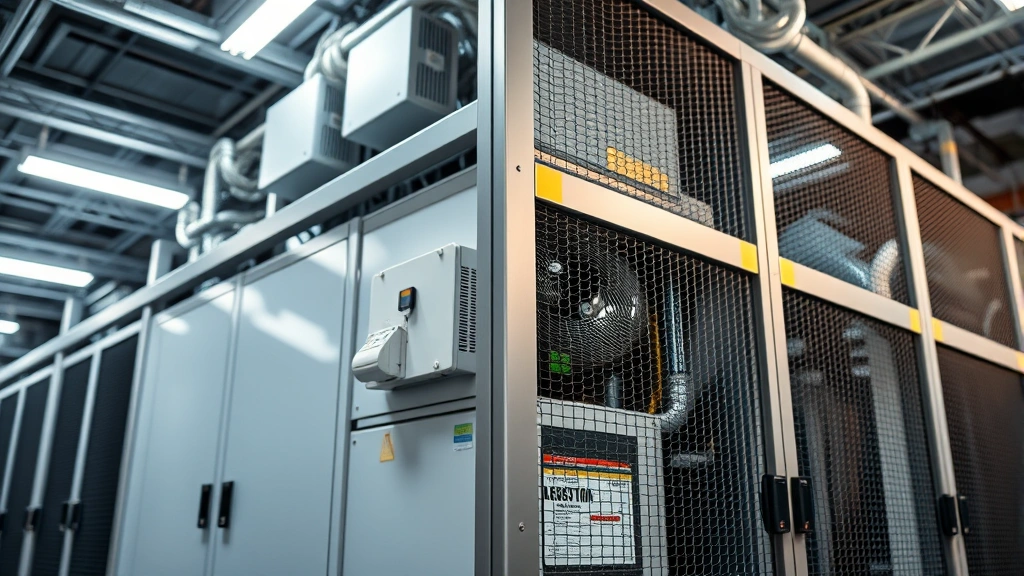
Air conditioning systems are critical infrastructure components in modern data centers, server rooms, and sensitive facilities. However, their strategic importance makes them attractive targets for physical security breaches. An AC security cage represents a fundamental layer of defense that organizations often overlook when planning their comprehensive security posture. These specialized enclosures provide controlled access, environmental monitoring, and tamper detection capabilities that are essential for protecting both equipment and the sensitive operations they support.
The integration of physical security measures with cybersecurity protocols creates a holistic defense strategy. When unauthorized personnel gain access to AC systems, they can manipulate environmental controls, introduce malicious hardware, or compromise cooling infrastructure that supports critical computing resources. This article explores the multifaceted reasons why organizations worldwide are implementing AC security cages as part of their risk mitigation framework.
Understanding AC Security Cage Fundamentals
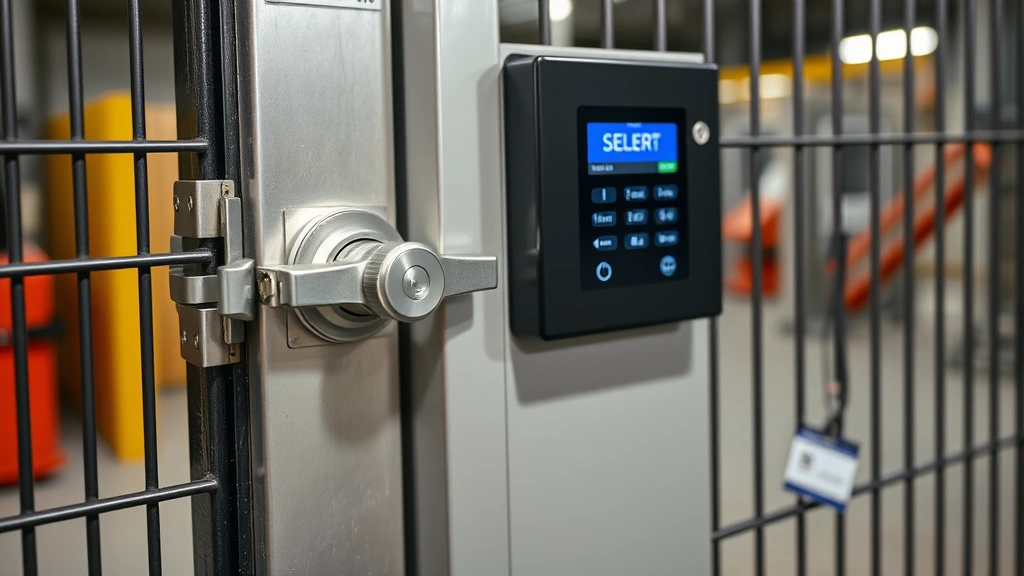
An AC security cage is a specially designed physical enclosure that surrounds air conditioning units, chillers, or HVAC distribution systems within critical facilities. These cages combine heavy-gauge steel construction with sophisticated locking mechanisms, creating a barrier that prevents unauthorized access while maintaining system functionality. The design philosophy centers on the principle that physical security must complement digital security measures to create a truly resilient infrastructure.
The fundamental purpose extends beyond simple access restriction. A well-designed security cage installation incorporates multiple layers of protection including perimeter fencing, monitored entry points, and integration with broader facility management systems. Organizations implementing these solutions recognize that protecting AC infrastructure is equivalent to protecting the digital assets that depend on stable environmental conditions for operation.
According to CISA guidance on physical security, critical infrastructure protection requires attention to both digital and physical attack vectors. AC systems fall squarely into this category, as their disruption can cascade into significant operational failures. The cage design allows authorized personnel to perform necessary maintenance while preventing unauthorized manipulation of environmental controls.
Physical Security and Access Control Benefits
One of the most compelling reasons to implement an AC security cage involves establishing granular access control over critical environmental systems. Traditional open installations allow any facility occupant to potentially interact with AC components, creating obvious security vulnerabilities. When you restrict access through a security cage, you establish clear accountability for who can interact with these systems and when.
The access control benefits include:
- Credential-based entry systems – Integration with badge readers, biometric scanners, or PIN entry ensures only authorized personnel can access the cage
- Audit trail creation – Electronic locking systems generate comprehensive logs of all access attempts, successful entries, and duration of occupancy
- Time-based restrictions – Access can be limited to specific hours, preventing unauthorized nighttime tampering
- Role-based permissions – Different authorization levels ensure HVAC technicians have different access than general maintenance staff
- Visitor management integration – Temporary access can be granted with automatic revocation after specified periods
When considering your organization’s security infrastructure, physical access controls form the foundation. Many data breach investigations reveal that attackers exploited physical access to install hardware keystroke loggers or network taps near AC systems where cables congregate. By restricting physical access through proper caging, you eliminate this entire attack vector.
The deterrent effect cannot be overstated. When potential threat actors observe that AC systems are properly secured with monitored cages, they redirect their efforts toward softer targets. This shifts the risk calculus in your organization’s favor, making your facility a less attractive target compared to competitors with weaker physical security posture.
Environmental Monitoring and Equipment Protection
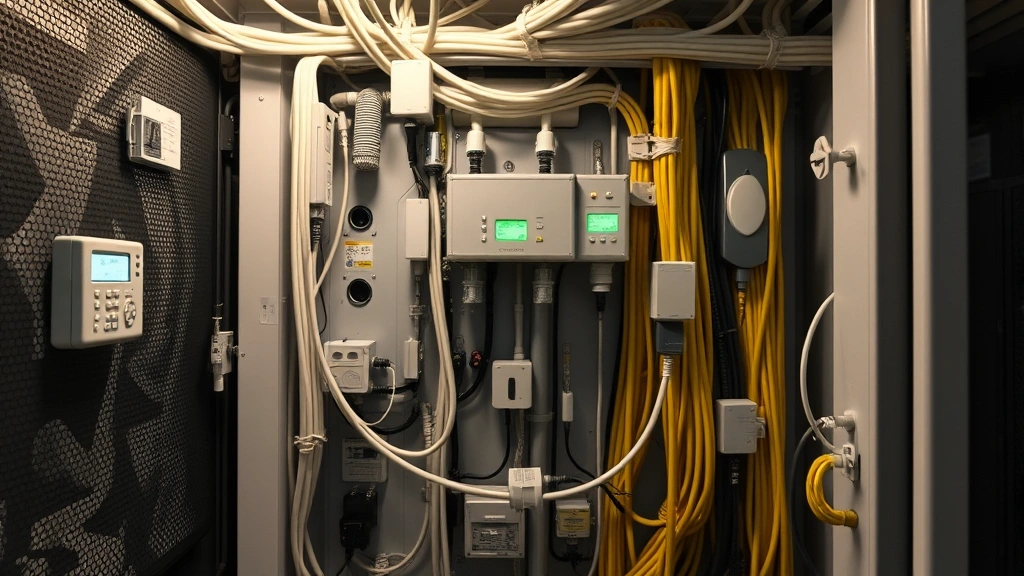
AC security cages provide the infrastructure framework necessary for implementing sophisticated environmental monitoring systems. Modern cages can accommodate temperature sensors, humidity monitors, and airflow detection equipment that continuously assess system performance. This monitoring capability is critical because AC system failures can cause catastrophic damage to sensitive equipment within minutes.
The equipment protection benefits manifest in multiple ways:
- Temperature regulation verification – Real-time monitoring ensures AC systems maintain required environmental parameters, preventing equipment overheating
- Humidity control tracking – Excessive humidity can cause corrosion and component failure; monitoring systems alert operators to deviations
- Unauthorized tampering detection – Sudden changes in system parameters trigger alerts indicating potential sabotage or malicious interference
- Predictive maintenance insights – Environmental data reveals performance degradation patterns, allowing proactive maintenance before failures occur
- Disaster recovery capability – Documented environmental baselines enable faster recovery after incidents by showing what normal parameters should be
When environmental controls fail, the consequences extend far beyond AC system replacement costs. A single uncontrolled temperature spike can damage millions of dollars in computing equipment, corrupt data through hardware failures, and disrupt critical services that organizations depend on. The security cage provides the physical platform where monitoring systems can be reliably installed and protected from tampering.
Integration with your facility’s broader management systems enables centralized oversight. Environmental data from AC cages can feed into building management systems, security operations centers, and incident response platforms, creating a unified view of facility status.
Compliance and Regulatory Requirements
Organizations operating in regulated industries face explicit requirements to protect critical infrastructure through physical security measures. An AC security cage demonstrates compliance with numerous frameworks and standards that govern facility security practices.
Key compliance drivers include:
- NIST Cybersecurity Framework – Physical security controls align with NIST guidelines for protecting critical infrastructure
- HIPAA Security Rule – Healthcare organizations must implement physical safeguards including access controls and monitoring
- PCI DSS Requirements – Payment card industry standards mandate physical security for environments processing cardholder data
- SOC 2 Type II Audits – Service organizations demonstrate control effectiveness through documented physical security measures
- ISO 27001 Certification – Information security management systems require physical access controls as foundational controls
- FedRAMP Compliance – Federal systems require facility security measures meeting government standards
Auditors and compliance evaluators specifically assess whether critical infrastructure like AC systems receives appropriate physical security protection. An AC security cage provides visible, documentable evidence that your organization takes these requirements seriously. During compliance audits, the presence of properly implemented security cages significantly strengthens your control environment assessment.
The regulatory landscape continues evolving, with increasing emphasis on resilience and physical security. Organizations that proactively implement AC security cages position themselves ahead of potential future regulatory mandates while demonstrating current compliance commitment.
Threat Detection and Incident Response
AC security cages equipped with modern monitoring systems serve as early warning mechanisms for various threat scenarios. When suspicious activity occurs near critical infrastructure, the cage’s detection capabilities provide crucial early notification that enables rapid response.
Threat detection capabilities include:
- Unauthorized access attempts – Failed badge swipes or forced entry attempts trigger immediate alerts to security personnel
- Prolonged presence indicators – Extended time within the cage beyond normal maintenance windows suggests potential malicious activity
- Environmental anomalies – Sudden parameter changes indicate tampering or sabotage attempts
- Integration with threat intelligence – Access logs correlate with known threat actor profiles and suspicious personnel behavior patterns
- Video surveillance correlation – Cage access logs can be cross-referenced with facility CCTV footage to verify legitimate maintenance activities
When incidents occur, having detailed logs from AC security cage access systems accelerates investigation and forensic analysis. Security teams can quickly determine who accessed the cage, when access occurred, and what environmental changes happened during those periods. This information proves invaluable for understanding how attackers operated and preventing similar incidents.
The incident response benefits extend to supply chain security as well. If your organization contracts with external HVAC service providers, the cage access system ensures you can verify exactly which technicians accessed your systems and when. This visibility prevents unauthorized service providers from accessing your critical infrastructure.
Integration with Overall Security Architecture
An effective AC security cage implementation requires thoughtful integration with your organization’s broader security infrastructure. The cage should not exist as an isolated control but rather as a component within a comprehensive security architecture that addresses physical, digital, and operational security dimensions.
Integration considerations include:
Physical security coordination – The cage must align with perimeter security, facility access controls, and visitor management programs. When someone enters the facility, their potential access to AC systems should be immediately apparent through the cage’s presence and access restrictions.
Digital security synchronization – AC system monitoring data should feed into your security information and event management (SIEM) systems. Environmental anomalies detected by cage-based sensors can trigger automated responses, such as failover to backup systems or incident alerts to security teams.
Personnel training and awareness – Employees must understand why AC security cages exist and how they contribute to organizational security. When staff recognize the importance of protecting AC infrastructure, they become partners in maintaining the security posture rather than obstacles to overcome.
Vendor management protocols – Procedures for authorizing and monitoring HVAC service providers must align with the cage’s access control systems. Vendors should understand that accessing AC systems requires proper authorization, documentation, and supervision.
Organizations that have successfully implemented comprehensive security cage programs report improved overall security culture. When employees observe that management invests in protecting critical infrastructure, they develop greater awareness of security importance across all organizational functions.
Consider consulting NIST guidance on facility security to ensure your AC cage implementation aligns with government-recognized best practices. Many organizations also benefit from engaging with cybersecurity research organizations that publish threat intelligence on facility-based attacks.
The investment in AC security cage infrastructure demonstrates organizational commitment to resilience. When supply chain partners, customers, and stakeholders observe that you protect critical systems through multiple security layers, confidence in your organization increases. This reputation benefit, combined with actual security improvements, justifies the implementation costs.
For organizations seeking to understand how facility security integrates with information security, exploring comprehensive security assessment resources provides valuable context on holistic protection strategies. Similarly, understanding how critical systems should be evaluated helps organizations develop appropriate assessment frameworks for their infrastructure.
FAQ
What specific threats does an AC security cage protect against?
AC security cages protect against multiple threat categories including unauthorized equipment installation (such as network taps or hardware keystroke loggers), physical sabotage of cooling systems, environmental parameter manipulation, unauthorized system modifications, and insider threats. They also prevent accidental damage from untrained personnel interacting with sensitive HVAC components.
How does an AC security cage integrate with existing facility management systems?
Modern AC security cages connect to facility management systems through multiple integration points including badge access systems, environmental monitoring platforms, building management systems (BMS), and security operations centers. This integration enables centralized monitoring, automated alerting, and comprehensive audit logging across all access and environmental parameters.
What compliance standards specifically require AC security cage implementation?
While no single standard mandates AC cages by name, multiple frameworks require physical security controls for critical infrastructure. NIST Cybersecurity Framework, HIPAA Security Rule, PCI DSS, ISO 27001, SOC 2 Type II, and FedRAMP all require physical access controls and facility security measures that AC cages effectively address. Regulatory bodies increasingly expect organizations to implement physical security proportional to the criticality of protected systems.
Can AC security cages accommodate necessary maintenance activities?
Yes, properly designed AC security cages include controlled access mechanisms that allow authorized HVAC technicians to perform required maintenance. Access can be granted through multiple methods including temporary badge activation, supervisor-controlled entry, or time-based restrictions. The cage design maintains security while supporting operational necessity.
What is the typical cost-benefit analysis for AC security cage implementation?
Cost-benefit analysis must consider facility downtime costs, equipment replacement expenses, compliance violation penalties, and reputational damage from security failures. A single AC system failure causing data center downtime can cost organizations hundreds of thousands of dollars per hour. AC security cage costs are typically recovered within months through prevented incidents and improved operational resilience.
How do AC security cages help with incident investigation and forensics?
AC cage access logs, environmental monitoring data, and integration with video surveillance systems create comprehensive records of all interactions with critical infrastructure. During investigations, security teams can determine exactly who accessed the cage, when access occurred, what environmental changes happened, and correlate this information with other security events. This forensic capability accelerates root cause analysis and supports legal proceedings if necessary.
Should AC security cages be visible or concealed within facilities?
Best practice recommends visible AC security cage implementation. When potential threat actors observe that critical infrastructure receives physical security protection, they recognize the facility has strong security awareness. This visibility serves as a deterrent, encouraging attackers to target less-protected facilities. Additionally, visible security controls demonstrate to employees, auditors, and stakeholders that management prioritizes infrastructure protection.


