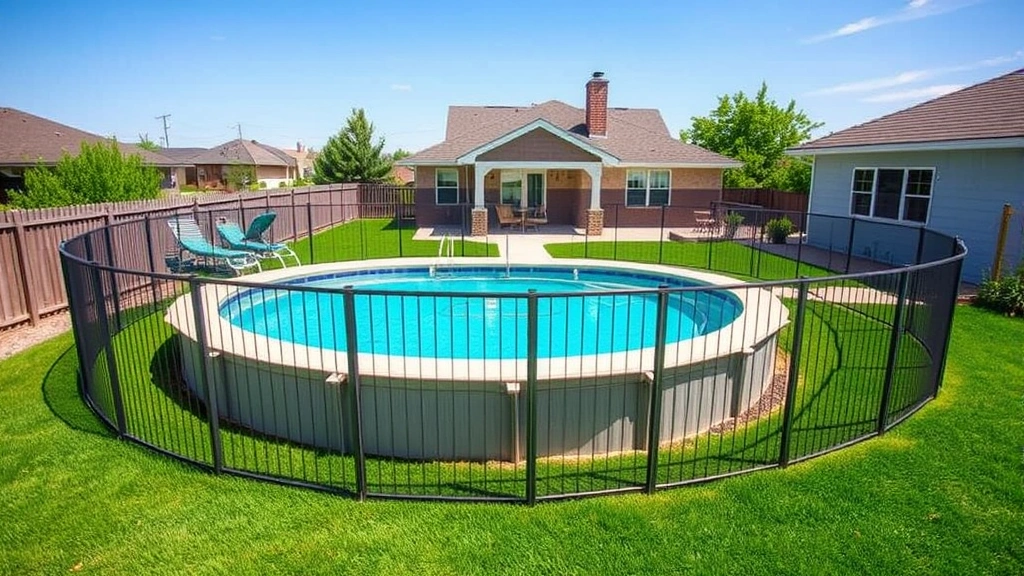
Do You Need a Pool Fence? Safety Guidelines for Above Ground Pool Security
Swimming pools represent one of America’s favorite recreational amenities, but they also pose significant safety risks, particularly for young children and vulnerable populations. An above ground pool security fence isn’t merely an aesthetic addition to your backyard—it’s a critical safety infrastructure that can prevent drowning, the leading cause of unintentional injury death for children ages 1-4. Understanding whether you need a pool fence, what regulations govern its installation, and how to choose the right barrier system is essential for every pool owner.
Drowning happens quickly and silently. In seconds, a child can slip through an unsecured area, fall into water, and experience a fatal outcome. Beyond child safety, pool fences protect against unauthorized access, reduce liability exposure, and may lower your homeowner’s insurance premiums. This comprehensive guide explores the legal requirements, safety standards, and practical considerations for implementing an effective pool barrier system.
Legal Requirements and Regulations
Pool fence regulations vary significantly by jurisdiction, state, and local municipality. Most U.S. states require some form of barrier around swimming pools, but the specific requirements differ. Understanding your local codes is the first step in ensuring compliance and protecting your family.
The Consumer Product Safety Commission (CPSC) provides national guidelines recommending four-sided fencing around all swimming pools. Many states have adopted or adapted these recommendations into enforceable building codes. Some jurisdictions mandate a minimum fence height of 4 feet with specific gap requirements, while others may require additional safety features like self-closing gates or alarm systems.
Before purchasing or installing any pool barrier system, contact your local building department to verify current requirements. Some areas require permits for pool fence installation, and non-compliance can result in fines, liability issues, or difficulty selling your property. Your homeowner’s insurance policy may also specify fence requirements for coverage eligibility. Review your policy documentation carefully, as inadequate barriers could void coverage in drowning incidents.
State-level regulations often address gate mechanisms, spacing requirements, and visibility standards. For example, some states prohibit horizontal railings that children could use as climbing aids, while others require vertical slats with specific spacing. Familiarize yourself with both state statutes and local ordinances, as the more stringent requirement typically applies.
Types of Pool Fence Systems
Several fence types can effectively secure an above ground pool, each with distinct advantages and limitations. Choosing the right system depends on your budget, aesthetic preferences, maintenance capacity, and specific safety needs.
Aluminum Fencing represents a popular choice for pool barriers. It’s durable, low-maintenance, resistant to rust and corrosion, and available in various styles. Aluminum fences can be easily installed around above ground pools without permanent ground modifications. They meet most safety standards when properly configured with appropriate spacing and gate mechanisms. However, aluminum may be more expensive than alternative materials.
Vinyl Fencing offers excellent aesthetics and low maintenance requirements. Vinyl doesn’t require painting or staining and resists fading better than wood. It’s available in multiple colors and styles to complement your home’s exterior. However, vinyl can become brittle in extreme cold climates, and repairs may require replacing entire sections rather than individual components.
Chain-Link Fencing provides an economical barrier option with excellent visibility. This traditional choice is easy to install and maintain. However, chain-link can be climbed more easily than solid barriers, and the mesh may deteriorate over time. Ensure spacing meets safety standards—typically 4 inches or less between links.
Removable Pool Fences offer flexibility for above ground pools. These temporary barriers can be installed seasonally or removed when not in use. They’re ideal for renters or those wanting non-permanent solutions. Quality removable fences should meet the same safety standards as permanent installations, including appropriate spacing, height, and gate mechanisms.
Safety Barriers and Netting provide alternative or supplementary protection. Some jurisdictions accept mesh safety covers or retractable barriers as primary fencing. These systems must be specifically designed for pool use and installed according to manufacturer specifications. Netting systems should have small mesh sizes (typically 1 inch or smaller) to prevent child entrapment.
Safety Standards and Compliance
Proper safety standards ensure your pool fence effectively prevents unauthorized access and drowning incidents. The ASTM International has established comprehensive standards for pool barriers, including ASTM F1908 for four-sided residential pool fences and ASTM F3113 for removable pool barriers.
Key safety specifications include:
- Height Requirements: Most standards mandate a minimum 4-foot fence height measured from ground level. Some jurisdictions require 5 feet. Measure from the lowest point of ground on either side of the fence, as sloped terrain can affect compliance.
- Spacing and Gaps: Vertical spacing between slats or pickets should not exceed 4 inches to prevent child entrapment or passage. Horizontal spacing guidelines prevent climbing aids. Bottom gaps between the fence and ground should not exceed 4 inches.
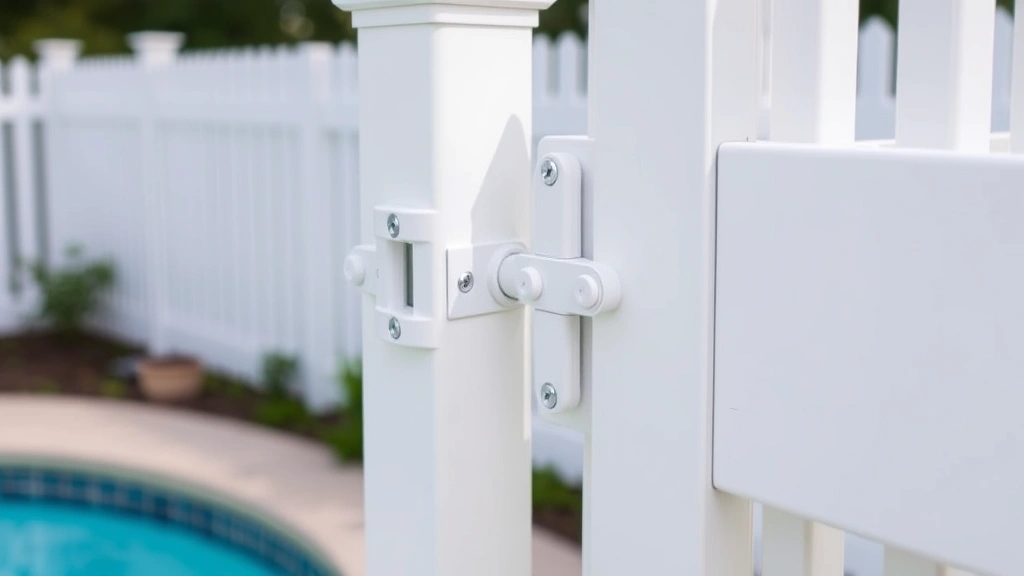
- Gate Mechanisms: Gates must have self-closing hinges and self-latching mechanisms with locks positioned at least 54 inches above ground (outside the reach of small children). Gates should open outward from the pool area.
- Visibility: Some standards require visibility through at least one side of the fence to allow supervision of pool activities. This becomes particularly important for above ground pools where guardian oversight is critical.
- Climbability: Fence design should prevent children from using horizontal rails or components as climbing aids. Smooth, vertical surfaces are preferred over those with handholds.
Regular inspections ensure ongoing compliance. Check for loose boards, damaged sections, rust, or deterioration. Gates should close smoothly and latch securely. Repair any damage promptly, as compromised barriers defeat their safety purpose. Document your maintenance efforts, as this demonstrates responsible pool ownership if liability questions arise.
Installation and Maintenance
Proper installation is crucial for fence effectiveness. Whether you hire professionals or undertake installation yourself, understanding key principles ensures your barrier functions as intended.
For permanent fence installation, posts must be securely anchored, typically in concrete footings. Posts should be spaced appropriately—usually 6 feet or less apart for most fence types. Ensure posts are plumb and level. Incorrect installation can create gaps or structural weaknesses that compromise safety.
Above ground pools present unique installation challenges. You may need to use specialized brackets or adapters designed for above ground pool fencing. Some pool owners use removable fence systems specifically engineered for temporary installation on pool walls. Whatever system you choose, ensure it meets local safety standards and provides the required height and spacing specifications.
Gate installation requires particular attention. The gate should swing away from the pool and close completely. Test the self-closing mechanism repeatedly—it should close and latch reliably every time. Position the latch lock high enough that children cannot reach it, typically 54 inches or higher from ground level. Some gates include double-locking mechanisms for enhanced security.
Maintenance responsibilities include regular inspections, cleaning, and repairs. Wooden fences require periodic staining or sealing to prevent rot and weather damage. Metal fences should be inspected for rust, particularly in coastal areas or humid climates. Vinyl fences need occasional cleaning but minimal other maintenance. Check gates monthly to ensure latching mechanisms function properly.
Weather impacts fence longevity. Extreme temperature fluctuations, UV exposure, moisture, and wind stress all affect fence materials. Plan maintenance schedules accordingly. In regions with severe winters, inspect fences after freeze-thaw cycles. After storms, check for damage that might compromise the barrier.
Additional Protective Measures
While fencing is essential, comprehensive pool safety requires multiple layers of protection. The concept of “layers of protection” acknowledges that no single barrier prevents all drowning incidents.
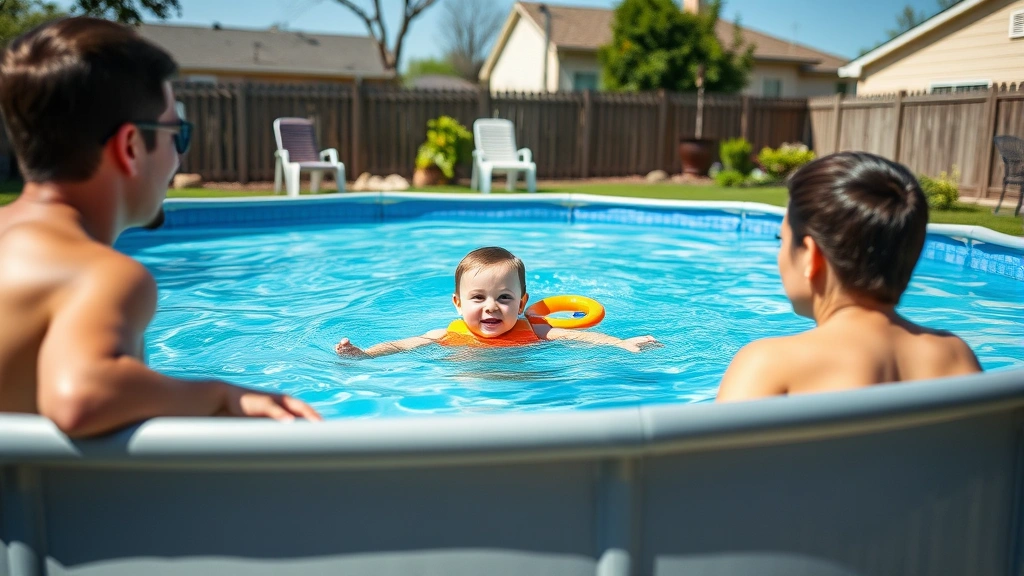
Supervision remains the most critical protective measure. Constant, attentive adult supervision is non-negotiable. Designate a responsible adult as the “water watcher” during pool activities. This person should avoid distractions, remain within arm’s reach of young children, and understand basic water rescue techniques. Supervision failures account for a significant percentage of childhood drowning incidents.
Drain safety is another critical consideration. Federal law requires anti-entrapment drain covers meeting ASTM standards. Drain entrapment—where hair, body parts, or clothing catches in pool drains—can cause drowning in seconds. Ensure your pool has compliant drain covers and consider installing additional drain safety devices.
Alarms and detection systems provide supplementary protection. Perimeter alarms alert when someone approaches the fence. Immersion alarms detect when someone enters the water. Gate alarms sound when gates open. While these systems shouldn’t replace supervision or fencing, they provide valuable backup warnings.
CPR training and water safety education are invaluable. Parents, caregivers, and older children should know CPR and basic water rescue techniques. Many communities offer certified courses through organizations like the American Red Cross. In emergencies, immediate CPR can save lives while waiting for emergency services.
Life jackets provide personal flotation assistance, particularly for weak swimmers or young children. Coast Guard-approved life jackets should be worn during pool activities, especially by children. Avoid inflatable water toys, which provide minimal safety benefit.
First aid supplies and emergency protocols should be readily available. Keep rescue equipment near the pool—a reaching pole, ring buoy, or rescue tube. Post emergency contact numbers prominently. Ensure all caregivers know how to call 911 and understand basic emergency response procedures.
Consider your specific household circumstances. Homes with young children, elderly residents, or individuals with mobility challenges may benefit from additional protective measures beyond standard fencing. Consult with your pediatrician or safety professionals about customized protection strategies for your family.
FAQ
Do all states require pool fences?
Most states require some form of pool barrier, but requirements vary significantly. Some states mandate four-sided fencing, while others allow alternative barriers like covers or alarms. Check with your local building department for specific requirements in your jurisdiction. Even if your state doesn’t mandate fencing, safety guidelines recommend barriers as drowning prevention measures.
What’s the minimum fence height for above ground pools?
The standard minimum height is 4 feet, measured from ground level on the lowest side. Some jurisdictions require 5 feet. Check your local codes, as requirements may exceed the national standard. Height is measured to prevent children from climbing over or reaching across the fence.
Can I use a removable fence for my above ground pool?
Yes, removable fences are acceptable in many jurisdictions if they meet applicable safety standards. Removable systems must provide the same height and spacing specifications as permanent fences. Ensure any removable system you install complies with ASTM F3113 standards and local requirements.
How often should I inspect my pool fence?
Inspect your pool fence at least monthly during the pool season and after severe weather. Look for loose boards, rust, damage, or deterioration. Test gate latching mechanisms regularly. More frequent inspections may be appropriate in harsh climates or after extreme weather events.
Does a pool cover eliminate the need for a fence?
Most jurisdictions require fencing even with pool covers. While safety covers provide an additional layer of protection, they’re not considered adequate standalone barriers. Comprehensive safety approaches combine multiple protective measures, including both fencing and covers.
What’s the cost of installing a pool fence?
Pool fence costs vary dramatically based on fence type, materials, length, and local labor rates. Aluminum fencing might cost $25-50 per linear foot installed, while vinyl ranges from $30-60 per foot. Removable systems typically cost less. Obtain quotes from multiple contractors and verify that proposed installations meet local safety standards.
Are there alternatives to traditional fencing?
Some jurisdictions accept alternative barriers like safety covers, retractable fences, or mesh systems as primary protection. However, traditional fencing remains the most widely accepted and reliable option. Consult your local building department about acceptable alternatives in your area. Researching local requirements thoroughly ensures you select compliant solutions.
Who should install my pool fence?
Many homeowners hire professional fence contractors experienced with pool installations. Professionals understand local codes, can verify compliance, and provide warranties. If you install the fence yourself, thoroughly research requirements, follow manufacturer instructions precisely, and have the completed installation inspected by your local building department.
How do I maintain my pool fence long-term?
Maintenance depends on fence materials. Wooden fences require periodic staining or sealing. Metal fences need rust inspection and treatment. Vinyl requires occasional cleaning. All fence types need regular inspections for damage, loose components, or deterioration. Gate mechanisms require monthly testing. Developing comprehensive maintenance schedules ensures your barrier remains effective throughout its lifespan.


