Is Your Home Secure? Abode System Insights
Home security has evolved dramatically over the past decade, transforming from simple locks and alarms into sophisticated smart systems that monitor, protect, and provide peace of mind. The Abode security system represents a modern approach to residential cybersecurity, offering homeowners integrated solutions that combine physical security with digital intelligence. However, understanding how these systems work—and their potential vulnerabilities—is essential for anyone serious about protecting their home.
As cyber threats continue to evolve, home security systems have become attractive targets for malicious actors seeking unauthorized access to residential networks. This comprehensive guide explores the Abode system’s architecture, security features, and critical considerations for maintaining a truly secure smart home environment. Whether you’re evaluating Abode for the first time or already using the platform, this article provides actionable insights to maximize your home’s protection.

Understanding Abode Security System Architecture
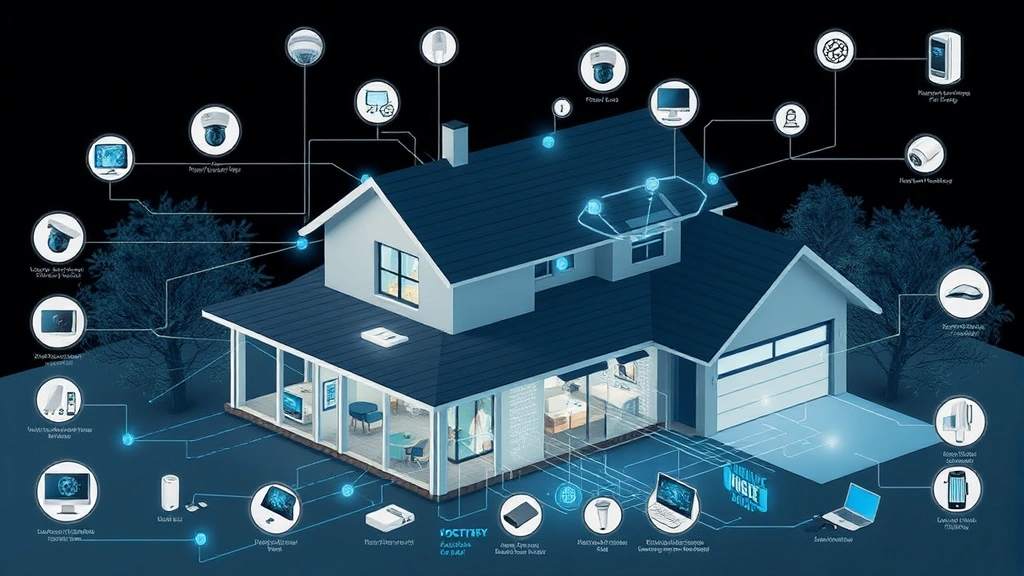
The Abode security system operates on a hub-based architecture designed to provide centralized control over multiple security devices throughout your home. The primary hub communicates with sensors, cameras, and smart devices using both cellular and internet connectivity, ensuring redundancy if one connection fails. This dual-connectivity approach represents a significant security advantage, as it prevents a single point of failure from leaving your home unprotected.
The system’s design emphasizes accessibility without compromising security. Homeowners can arm, disarm, and monitor their systems through mobile applications, web interfaces, and physical keypads. This flexibility, however, introduces potential attack vectors that require careful management. Each access point must be individually secured to prevent unauthorized entry into your home security network.
Abode’s architecture includes professional monitoring capabilities, allowing trained operators to respond to alerts and contact emergency services when necessary. This hybrid approach—combining self-monitoring with professional oversight—provides layered protection that addresses both immediate threats and long-term security monitoring needs.
Key Security Features and Capabilities
Modern Abode systems include several critical security components that work together to create comprehensive home protection. Door and window sensors detect unauthorized entry attempts, motion detectors identify movement within protected zones, and environmental sensors monitor for smoke, carbon monoxide, and water damage. Each component contributes to a complete picture of your home’s security status.
The system’s video surveillance capabilities have expanded significantly, with HD cameras providing real-time monitoring and recorded evidence. These cameras feature night vision, motion detection, and cloud storage integration, allowing homeowners to review footage remotely and maintain a security record. The integration of visual surveillance with traditional sensors creates a multi-layered defense strategy.
Abode’s automation features enhance both convenience and security. Scheduled automations can simulate occupancy when residents are away, automated lighting can deter intruders, and geofencing triggers system adjustments based on family location. These features, when properly configured, reduce the likelihood of security lapses caused by human error or forgetfulness.
Professional monitoring services represent another critical component. Trained operators respond to legitimate alerts, verify incidents, and coordinate emergency response. This human element adds credibility to alarm signals and ensures that false alarms don’t waste emergency resources. Understanding the monitoring service’s capabilities and response protocols is essential for maximizing your system’s effectiveness.
Network Integration and Smart Home Connectivity
The Abode system’s integration with broader smart home ecosystems introduces both opportunities and risks. Connection with voice assistants, smart locks, and lighting systems provides convenient control but expands the potential attack surface. Each connected device represents a potential entry point for cyber threats, making network segmentation and device management critical priorities.
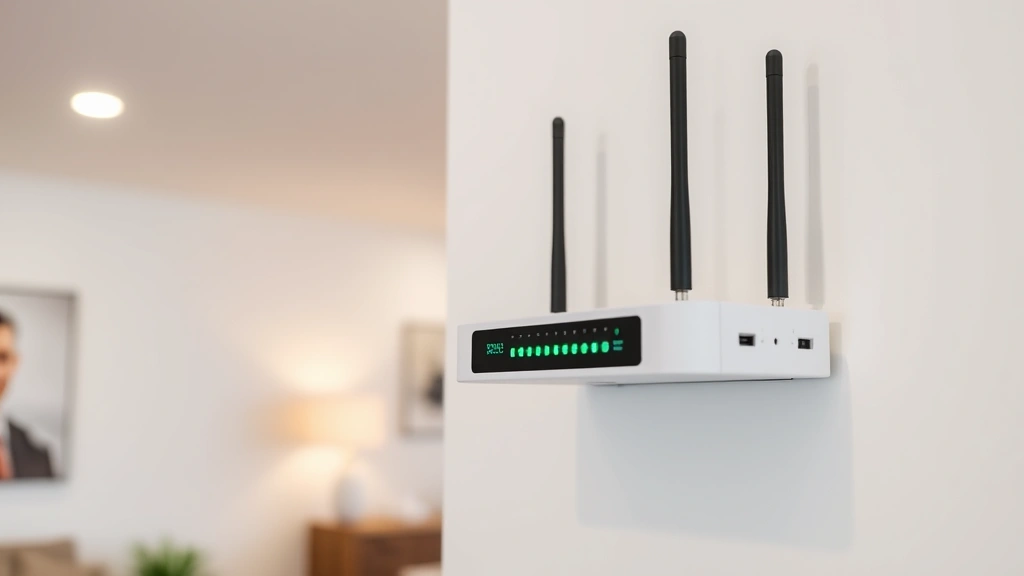
Your home network’s security directly impacts your Abode system’s safety. A compromised Wi-Fi network can expose your security system to unauthorized access, allowing attackers to disable alarms, view camera feeds, or manipulate system settings. Implementing strong Wi-Fi security protocols—including WPA3 encryption, strong passwords, and regular firmware updates—is fundamental to protecting your entire security infrastructure.
When integrating Abode with other smart home devices, consider creating a dedicated security network segment if your router supports it. This network isolation prevents compromised entertainment systems or smart TVs from accessing your security infrastructure. Many modern routers include guest network features that can effectively isolate security systems from general home networks.
The comprehensive approach to home protection extends beyond physical security to include digital safeguards. Regular firmware updates for both your Abode hub and connected devices should be prioritized, as manufacturers continually release security patches addressing newly discovered vulnerabilities. Establishing a routine update schedule ensures your system benefits from the latest security improvements.
Encryption and Data Protection Standards
Abode employs encryption protocols to protect data transmitted between your hub, mobile devices, and company servers. Understanding these encryption methods helps you evaluate whether the system meets your security requirements. The system uses TLS/SSL encryption for data in transit, protecting information as it travels across the internet.
End-to-end encryption for video feeds represents a critical security consideration. If your camera footage isn’t encrypted from the camera itself to your viewing device, unauthorized parties could potentially intercept video streams. Evaluating Abode’s specific encryption implementation for video data helps you understand what level of privacy protection your cameras provide.
Data storage security is equally important as transmission security. Video footage and system logs stored in Abode’s cloud infrastructure must be protected against unauthorized access. The company’s data center security practices, backup procedures, and access controls directly impact the confidentiality and integrity of your security records. Reviewing their CISA security guidelines compliance helps establish confidence in their data protection practices.
Your personal data—including home addresses, family members’ information, and security system configurations—requires protection under privacy regulations. Abode’s privacy policies should clearly outline how they collect, store, and protect personal information. Understanding these policies helps you make informed decisions about data sharing and system configuration.
Potential Vulnerabilities and Risk Mitigation
No security system is completely immune to vulnerabilities, and Abode systems are no exception. Potential weaknesses can exist in firmware, mobile applications, cloud infrastructure, or the integration between components. Staying informed about known vulnerabilities and security patches is essential for maintaining protection.
Default credentials represent a significant vulnerability risk in many smart home systems. If your Abode hub or connected devices use default usernames and passwords, attackers can gain unauthorized access using publicly available information. Immediately changing all default credentials when setting up your system is a fundamental security practice that many users overlook.
Brute force attacks targeting your Abode account can compromise your system if your password is weak or reused across multiple services. Implementing strong, unique passwords—preferably managed through a password manager—significantly reduces this risk. Multi-factor authentication, when available, provides an additional security layer that prevents account compromise even if your password is discovered.
Physical vulnerabilities shouldn’t be overlooked in your security assessment. Hub placement, camera positioning, and sensor coverage should be evaluated to prevent attackers from physically tampering with devices or finding blind spots in your surveillance. Strategic device placement maximizes coverage while minimizing opportunities for tampering.
Supply chain vulnerabilities could theoretically introduce compromised components into your security system. Purchasing equipment through authorized retailers and verifying product authenticity helps mitigate this risk. Monitoring security research communities for reports of compromised hardware batches keeps you informed about potential issues affecting your equipment.
Best Practices for Abode System Deployment
Implementing your Abode system with security best practices from the beginning prevents future complications and reduces vulnerability exposure. Start by developing a comprehensive security plan that identifies all areas requiring protection and determines appropriate device placement.
Network security forms the foundation of your Abode system’s safety. Change your Wi-Fi password from the default, enable WPA3 or WPA2 encryption, and disable WPS (Wi-Fi Protected Setup), which introduces unnecessary vulnerabilities. Hide your network’s SSID to reduce its visibility to potential attackers, though recognize this provides only modest security benefits.
Create a strong, unique password for your Abode account—one that differs significantly from passwords used for other services. Use a password manager to generate and store complex passwords that would be difficult for attackers to guess. If Abode offers two-factor authentication, enable it immediately to add an additional verification layer.
Regularly review your system’s access logs and connected devices. Abode typically allows you to view recent system activity, including login attempts and device connections. Unusual activity patterns—such as unexpected login locations or device connections—warrant immediate investigation.
Document your system configuration, including device locations, sensor types, and automation rules. This documentation serves as a reference for troubleshooting and helps you identify unauthorized changes to your system. Store this information securely, separate from your login credentials.
Monitoring and Alert Management
Effective monitoring transforms your Abode system from a reactive security tool into a proactive protection mechanism. Configuring appropriate alert sensitivity prevents false alarms while ensuring genuine threats trigger immediate notifications. Understanding your system’s alert categories helps you respond appropriately to different threat types.
Professional monitoring services should be evaluated based on response times, operator training, and their ability to contact emergency services in your jurisdiction. Verify that your monitoring service provider maintains NIST cybersecurity standards compliance and follows industry best practices for alarm response.
Mobile notifications keep you informed about your home’s security status in real-time. Configure notifications for critical events—such as door or window openings, motion detection, and system disarming—while filtering out less important alerts that may cause notification fatigue. Customized alert rules help you maintain awareness without becoming overwhelmed by constant notifications.
Reviewing alert history provides insights into your home’s security patterns and helps identify potential vulnerabilities. Regular patterns of false alarms might indicate sensor misalignment or environmental triggers, while unexpected alerts warrant investigation. This data-driven approach to security management improves your system’s effectiveness over time.
Comparing Abode with Competitor Solutions
Understanding how Abode compares to alternative security systems helps you evaluate whether it meets your specific needs. Some competitors offer more extensive professional monitoring networks, while others provide superior video quality or more advanced automation capabilities. Your priorities determine which system best serves your security goals.
Professional installation represents a significant cost difference between systems. Abode’s DIY-friendly design reduces installation expenses compared to systems requiring professional technicians, but professional installation can ensure optimal placement and configuration. Evaluating your technical comfort level helps determine whether DIY installation is appropriate for your situation.
Video storage approaches vary significantly between systems. Some providers offer unlimited cloud storage, while others charge per camera or implement storage limitations. Understanding these differences helps you evaluate the total cost of ownership and ensure you can maintain adequate video records for security purposes.
Integration capabilities with third-party smart home devices differ between providers. If you have existing smart home investments, verifying compatibility with your preferred system prevents future complications. Comprehensive smart home integration capabilities enhance your system’s utility and security effectiveness.
Customer support quality varies significantly between security system providers. Evaluating response times, support channel availability, and representative expertise helps you choose a provider that can assist when issues arise. Reading customer reviews and checking industry ratings provides insights into real-world support experiences.
FAQ
What is the Abode security system’s primary advantage over traditional alarm systems?
Abode’s primary advantage is its hybrid approach combining DIY installation, professional monitoring options, and smart home integration. The system offers flexibility, affordability, and modern capabilities without requiring professional installation, while still providing access to professional monitoring services when desired.
Can Abode systems be hacked or compromised?
Like all connected devices, Abode systems can potentially be compromised if security best practices aren’t followed. However, implementing strong passwords, enabling two-factor authentication, maintaining updated firmware, and securing your home network significantly reduces vulnerability to cyberattacks.
How does Abode protect video footage privacy?
Abode uses encryption protocols to protect video footage during transmission and storage. However, your specific privacy level depends on your configuration, cloud storage settings, and the company’s data protection practices. Reviewing Abode’s privacy policy and encryption documentation clarifies their specific protections.
What happens to my security system if my internet connection fails?
Abode hubs maintain cellular backup connectivity, ensuring your system remains protected even if your internet connection fails. The cellular connection allows continued monitoring and alert transmission, though some remote access features may be limited until internet connectivity is restored.
Should I use professional monitoring or self-monitoring with Abode?
This decision depends on your preferences, budget, and lifestyle. Professional monitoring provides trained operator response and emergency service coordination but increases monthly costs. Self-monitoring offers lower expenses but requires your immediate response to alerts. Many users choose professional monitoring for critical periods or hybrid approaches.
How often should I update my Abode system’s firmware?
Firmware updates should be applied as soon as they become available, as they typically include security patches addressing newly discovered vulnerabilities. Enabling automatic updates, when available, ensures your system receives the latest protections without requiring manual intervention.
What role does network security play in my Abode system’s safety?
Network security is fundamental to your Abode system’s security. A compromised Wi-Fi network can expose your security system to unauthorized access, making strong Wi-Fi passwords, encryption, and regular router firmware updates essential components of your overall security strategy.
Can I integrate Abode with other smart home systems safely?
Yes, Abode can be safely integrated with other smart home systems if you follow proper security practices. Network segmentation, strong device passwords, regular firmware updates, and careful evaluation of third-party integrations minimize risks while enabling convenient smart home functionality.
Your home’s security is ultimately your responsibility, and understanding your security system’s capabilities and limitations empowers you to make informed protection decisions. The Abode system provides solid foundational security when properly configured and maintained, but staying informed about emerging security threats ensures your protection remains current as cyber threats evolve. Regular security audits, prompt updates, and adherence to best practices transform your Abode system into a reliable component of comprehensive home protection.


