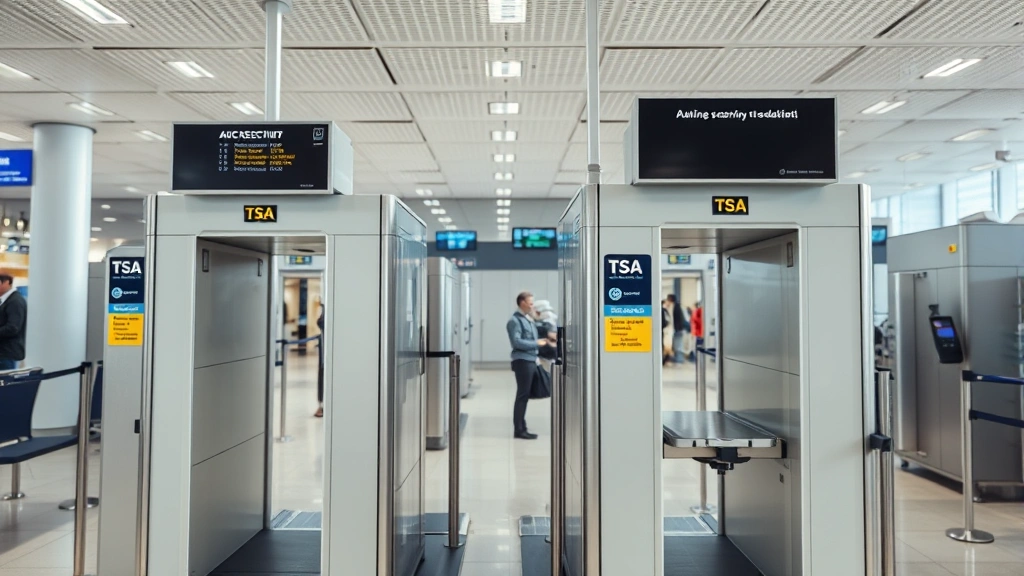
What is the 9/11 Security Fee? Complete Traveler’s Guide
The 9/11 Security Fee, officially known as the September 11th Security Fee, is a mandatory charge added to every airline ticket purchased in the United States. This fee, established in the aftermath of the tragic attacks on September 11, 2001, represents one of the most visible ways that aviation security has been transformed and funded at the federal level. Understanding this fee is essential for anyone planning air travel, as it directly impacts ticket pricing and represents your contribution to maintaining heightened security measures at airports across the nation.
For travelers, the 9/11 Security Fee appears as a separate line item on your airline ticket receipt, distinct from the base airfare and taxes. While the fee amount may seem modest—typically between $5.60 and $11.20 per round trip—it accumulates to billions of dollars annually that fund critical infrastructure, personnel, and technology designed to protect passengers and crew members. This comprehensive guide will help you understand the origins, current implementation, and implications of this important aviation security measure.
Whether you’re a frequent flyer or an occasional traveler, knowing the details about this fee helps you make informed decisions about your travel budget and understand the broader context of aviation security in America. The fee structure, regulatory framework, and how funds are allocated all play crucial roles in maintaining the safety standards we expect when flying today.
Historical Origins of the 9/11 Security Fee
The September 11, 2001 terrorist attacks fundamentally changed aviation security in the United States. In response to these attacks, Congress passed the Aviation and Transportation Security Act (ATSA) in November 2001, which created the Transportation Security Administration (TSA) and established new security protocols for commercial aviation. The 9/11 Security Fee was introduced as part of this sweeping legislative response to fund these enhanced security measures.
Initially implemented in 2002, the fee was designed as a temporary measure to offset the costs of implementing new security procedures, hiring additional screeners, and purchasing advanced screening technology. However, what was intended to be temporary has become a permanent fixture of air travel in America. The fee has remained in place for over two decades, demonstrating the long-term commitment to maintaining the enhanced security infrastructure that was established following the attacks.
The fee structure evolved from earlier security charges that had been implemented on a limited basis. Airlines had previously charged small security fees, but the post-9/11 fee was standardized across all carriers and made mandatory for all passengers. This uniform approach ensured that all airlines contributed equally to security funding and that no carrier could undercut others by offering lower security charges.
Over the years, the fee has been adjusted to reflect inflation and changing security needs. Congress has periodically reviewed and modified the fee structure through various legislative measures, balancing the need for adequate funding with concerns about passenger affordability. The fee has become so integrated into the ticketing system that many travelers don’t even notice it as a separate charge—it simply appears as part of the total ticket price.

How the Fee is Calculated and Applied
The 9/11 Security Fee operates on a per-segment basis, meaning you pay the fee for each flight segment in your itinerary rather than per trip. A flight segment is defined as a single takeoff and landing, so a round-trip flight with one connection actually involves multiple segments and multiple fee charges. Understanding this structure is crucial for calculating your total travel costs accurately.
For example, if you book a round-trip flight from New York to Los Angeles with a connection in Denver, you would pay the security fee four times: once for New York to Denver, once for Denver to Los Angeles, once for Los Angeles to Denver on the return, and once for Denver back to New York. This multi-segment approach means that complex itineraries with multiple connections result in higher total security fees.
The fee is calculated and collected by airlines during the ticketing process. It appears separately on your airline receipt and is typically non-refundable, even if you cancel your flight. Some airlines may allow you to apply the fee credit toward a future flight if you cancel, but this varies by carrier and ticket type. The specific terms are usually detailed in the airline’s refund policy.
Airlines are required by federal regulations to collect the fee and remit it to the TSA. The collection process is automated through airline reservation systems, ensuring consistency and accuracy across all carriers. The fee is then aggregated by the TSA and distributed according to congressional appropriations and security funding priorities.
Current Fee Amounts and Exemptions
As of the current regulations, the 9/11 Security Fee is capped at $5.60 per flight segment for domestic flights, with a maximum of $11.20 per round-trip ticket for most passengers. For international flights departing from the United States, the fee structure may differ slightly, and some international carriers may have different fee arrangements depending on bilateral agreements with the U.S. government.
Certain passengers are exempt from paying the 9/11 Security Fee entirely. These exemptions include:
- Children under 2 years old who are not occupying a seat and are traveling as lap infants
- Passengers traveling on certain government-funded programs, such as military active duty personnel traveling on military flights
- Airline employees traveling on company passes, though this exemption has specific limitations
- Crew members on duty flights
Additionally, some passengers may qualify for reduced fees or exemptions based on their status with specific airline frequent flyer programs or through membership in travel loyalty programs. However, these reductions are limited and vary by airline.
It’s important to note that the fee applies to all commercial airline tickets, regardless of the airline’s size, route, or business model. Low-cost carriers, full-service carriers, and regional airlines all collect and remit the same security fee, ensuring uniform funding across the aviation industry.
Where Your Money Goes
Understanding how the 9/11 Security Fee funds are allocated provides insight into the real-world impact of this charge. The primary recipient of these funds is the Transportation Security Administration, which uses the money to finance various critical security functions. According to TSA official resources, the fee revenues support essential operations across the entire U.S. aviation security system.
The funds collected through the security fee support several key areas:
- Personnel Costs – Salaries and benefits for TSA officers, supervisors, and administrative staff who work at airport security checkpoints nationwide
- Advanced Screening Technology – Purchase and maintenance of X-ray machines, millimeter wave scanners, explosive detection systems, and other detection equipment
- Infrastructure Improvements – Upgrades to security checkpoint facilities, baggage handling systems, and other airport infrastructure related to security
- Training and Development – Ongoing training programs for security personnel to keep them updated on emerging threats and best practices
- Intelligence and Threat Assessment – Support for intelligence gathering and threat analysis that informs security protocols
- Cybersecurity Measures – Protection of critical aviation infrastructure from digital threats, which has become increasingly important in recent years
The TSA publishes annual reports detailing how security fee revenues are allocated, providing transparency about the use of these funds. Congress also exercises oversight through appropriations committees and periodic reviews of TSA operations and budget requests.
Impact on Ticket Pricing
The 9/11 Security Fee represents a significant component of total ticket pricing, especially for short-distance flights where the fee may constitute a larger percentage of the total cost. For a short regional flight that might cost $100 base fare, the security fee of $5.60 represents more than 5% of the ticket price. For longer flights with higher base fares, the percentage impact is smaller but still notable.
Airlines are required to disclose the security fee separately from the base airfare in all advertising and ticketing information. This transparency requirement means you’ll always see the fee broken out on your receipt, allowing you to understand exactly how much of your ticket price goes toward security funding versus the actual transportation service.
When comparing ticket prices between airlines, it’s important to remember that the security fee is standardized across all carriers, so you won’t find cheaper security fees by switching airlines. The security fee should not be a factor in choosing between carriers for price comparison purposes. Instead, focus on comparing the base airfare and any other airline-specific charges or fees.
The fee has remained relatively stable in recent years, with Congress showing reluctance to increase it significantly due to concerns about passenger affordability and competitiveness in the airline industry. However, the fee has been subject to occasional adjustments to account for inflation and changing operational costs.
TSA PreCheck and Security Fee Relationships
Many travelers wonder whether participating in the TSA PreCheck program affects the 9/11 Security Fee. The answer is straightforward: TSA PreCheck membership does not exempt you from paying the security fee. PreCheck participants still pay the full 9/11 Security Fee on every flight segment, just like standard passengers.
What TSA PreCheck does provide is expedited screening at airport security checkpoints, allowing you to go through a faster, less invasive screening process. PreCheck members can keep shoes and light jackets on, leave laptops and liquids in their carry-on bags, and access dedicated PreCheck lanes at many airports. These benefits save time and improve the screening experience, but they don’t reduce or eliminate the security fee.
The TSA PreCheck program operates separately from security fee funding. PreCheck has its own funding mechanism through enrollment fees (currently $78-85 for a five-year membership), which supports the program’s administration and the dedicated screening infrastructure it requires. Understanding this distinction helps clarify that both security fees and PreCheck fees serve different purposes within the broader aviation security ecosystem.
For frequent travelers, the time savings from PreCheck may justify the enrollment cost, but the security fee will remain a standard charge regardless of PreCheck status. Some travelers strategically use PreCheck enrollment to offset the inconvenience of higher security fees on multiple flights, though the math varies depending on your travel frequency and the value you place on time savings.
International Travel Considerations
The 9/11 Security Fee applies to all flights departing from U.S. airports, including those heading to international destinations. However, the fee structure for international flights may differ slightly from domestic flights, and passengers flying into the United States from abroad are subject to different security protocols and fees.
For U.S. citizens and residents flying internationally from American airports, the security fee is calculated the same way as domestic flights—per flight segment with the standard per-segment cap. When you book a round-trip international flight, you’ll pay the security fee for each segment of your journey, including the outbound flight from the U.S. and the return flight back to the U.S.
Foreign carriers operating flights from U.S. airports must also collect and remit the 9/11 Security Fee, ensuring that all airlines contribute equally to security funding regardless of their nationality or home country. This uniform requirement has been a point of negotiation in some bilateral aviation agreements, but it remains standard practice.
Passengers arriving in the United States from international flights may be subject to additional security screening and fees depending on their citizenship status and visa category. These additional measures are separate from the 9/11 Security Fee and are implemented through customs and immigration processes rather than airline ticketing.
When planning international travel, budget for the security fee on both your outbound and return flights, and factor in any additional security-related costs or requirements that may apply depending on your destination and travel circumstances.
Frequently Asked Questions
Is the 9/11 Security Fee mandatory?
Yes, the 9/11 Security Fee is mandatory for all passengers on commercial airline flights departing from U.S. airports, with limited exceptions for infants and certain government-funded travelers. The fee cannot be avoided or negotiated, and all airlines charge the same amount.
Can I get a refund on the 9/11 Security Fee?
The 9/11 Security Fee is generally non-refundable, even if you cancel your flight. However, some airlines may allow you to apply the fee credit toward a future flight if you cancel within a certain timeframe. Check your specific airline’s policy for details on their refund procedures.
Why is the fee called the 9/11 Security Fee if it’s still being charged decades later?
The fee is named after the September 11, 2001 attacks that prompted its creation. Although it was initially intended as a temporary measure, Congress has continued to authorize the fee as a permanent funding mechanism for aviation security operations, and the name has remained consistent.
Does the 9/11 Security Fee go directly to airport security?
The fee revenues go primarily to the Transportation Security Administration (TSA) to fund their operations, including personnel, equipment, training, and infrastructure. While the money supports security operations at airports, it doesn’t go directly to individual airports but rather to the TSA for national distribution and allocation.
Are there any ways to avoid paying the 9/11 Security Fee?
There are no legitimate ways to avoid the fee if you’re flying commercially from a U.S. airport. The only exemptions are for specific passenger categories (infants, military personnel on military flights, and crew members on duty). All other passengers must pay the fee.
How much has the 9/11 Security Fee increased over the years?
The fee has remained relatively stable, with only modest increases to account for inflation and operational cost changes. Congress has been cautious about raising the fee significantly due to concerns about passenger affordability, which has kept increases limited compared to overall inflation rates.


