
3D Security: Essential Guide by IT Professionals
Three-dimensional security, or 3D security, represents a comprehensive approach to cybersecurity that extends beyond traditional two-dimensional defenses. This methodology integrates multiple security layers, threat detection mechanisms, and response protocols into a unified framework designed to protect organizations from evolving cyber threats. As IT professionals navigate increasingly complex threat landscapes, understanding 3D security principles has become essential for developing robust defensive strategies.
The modern cybersecurity environment demands more than perimeter-based protection. Organizations face sophisticated attacks targeting applications, infrastructure, and user behavior simultaneously. A 3D security model addresses these multifaceted threats by implementing coordinated defenses across people, processes, and technology. This guide explores how IT professionals can implement and maintain effective 3D security architectures to safeguard critical assets.
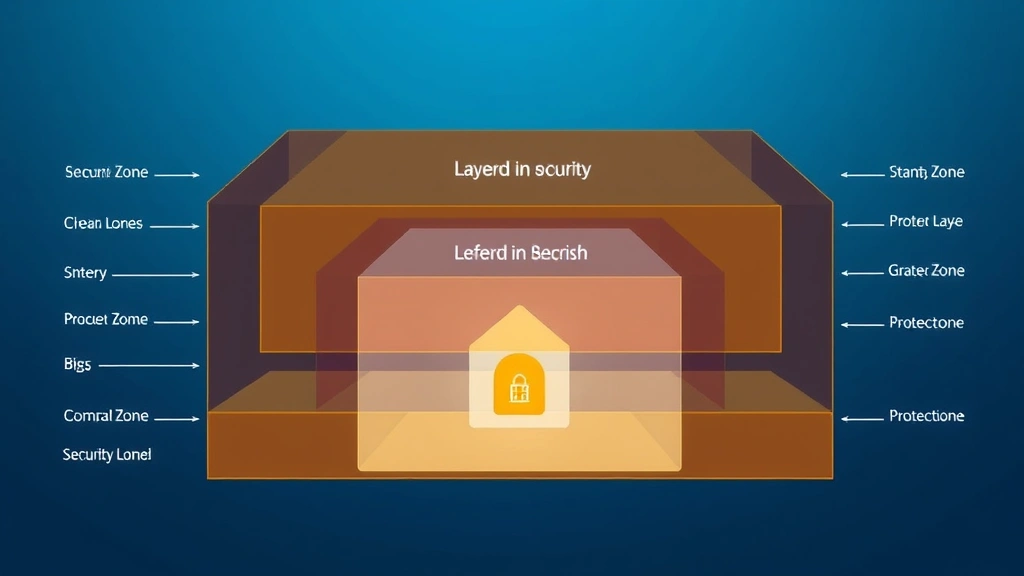
Understanding 3D Security Framework
3D security represents a paradigm shift in how organizations approach cybersecurity. Rather than relying on isolated security tools, this framework emphasizes the interconnection between three critical dimensions: detection depth, defense breadth, and response resilience. Each dimension works in concert to create a comprehensive security posture.
The detection depth dimension focuses on identifying threats at multiple levels within your infrastructure. This includes network-level detection, application-layer analysis, and endpoint monitoring. By implementing detection capabilities across all three levels, organizations can identify threats that might evade single-layer defenses. Advanced threat intelligence and behavioral analysis tools enable IT teams to recognize anomalous patterns that indicate compromise or attack attempts.
Defense breadth extends protection across all potential attack vectors. Traditional security models often concentrate resources on perimeter defense, leaving internal systems vulnerable. 3D security distributes defensive measures throughout the entire infrastructure, including cloud environments, hybrid systems, and remote access points. This approach ensures that even if attackers bypass external defenses, internal layers provide additional protection.
Response resilience emphasizes rapid threat containment and recovery. When breaches occur, organizations need coordinated incident response capabilities that minimize damage and restore operations quickly. This dimension includes automated response mechanisms, forensic capabilities, and business continuity planning integrated into the overall security architecture.

Core Components of 3D Security
Implementing effective 3D security requires understanding and deploying key components that work together to create comprehensive protection. IT professionals must evaluate each component’s role in the overall security strategy.
Advanced Threat Detection Systems form the foundation of effective 3D security. These systems combine signature-based detection with behavioral analysis and machine learning algorithms. CISA recommends organizations implement detection systems capable of identifying both known threats and zero-day exploits. Network detection and response tools monitor traffic patterns, while endpoint detection and response solutions track suspicious activity on individual devices.
Identity and Access Management represents a critical second dimension. Organizations must implement robust authentication mechanisms, including multi-factor authentication across all systems. Zero-trust security models, which verify every access request regardless of source, have become standard in 3D security implementations. IT teams should enforce principle of least privilege, ensuring users access only resources necessary for their roles.
Data Protection and Encryption safeguard sensitive information across storage, transmission, and processing. Organizations implementing 3D security encrypt data at rest using strong algorithms and enforce encryption in transit for all communications. Classification systems help identify sensitive data requiring enhanced protection, while data loss prevention tools monitor unauthorized access attempts.
Security Orchestration and Automation enable rapid response to detected threats. Platforms that orchestrate responses across multiple security tools reduce response times from hours to minutes. Automated playbooks can isolate compromised systems, block malicious IP addresses, and initiate incident investigation processes without manual intervention.
Continuous Monitoring and Logging provide visibility into security events across the entire infrastructure. Centralized security information and event management systems aggregate logs from thousands of sources, enabling correlation analysis that identifies attack patterns. Long-term retention of security logs supports forensic investigations and compliance requirements.
Implementation Strategies
Deploying 3D security requires strategic planning and phased implementation. Organizations should begin by assessing their current security posture and identifying gaps in detection, defense, and response capabilities.
Phase One: Assessment and Planning involves conducting thorough security audits to understand existing defenses and vulnerabilities. IT teams should document current toolsets, identify redundancies, and determine areas lacking coverage. This assessment informs the roadmap for implementing 3D security components. Organizations should involve stakeholders across IT, security, and business units to ensure alignment with organizational objectives.
Phase Two: Foundation Building focuses on establishing core detection and defense capabilities. This includes deploying endpoint detection and response agents across all devices, implementing network monitoring tools, and establishing centralized logging infrastructure. Organizations should also establish security operations centers or similar monitoring capabilities to analyze alerts and investigate incidents. Refer to NIST Cybersecurity Framework guidelines for structured implementation approaches.
Phase Three: Integration and Automation connects security tools and implements automated response mechanisms. This phase requires significant planning to ensure compatibility between different platforms and establish effective orchestration workflows. IT teams should design playbooks for common threat scenarios, including ransomware attacks, data exfiltration attempts, and insider threats.
Phase Four: Optimization and Tuning refines security operations based on real-world experience. Organizations should continuously analyze alert volumes, response effectiveness, and mean time to detection metrics. Tuning alert thresholds reduces false positives while maintaining detection of genuine threats. Regular tabletop exercises and simulated incidents help teams practice response procedures.
Organizations implementing 3D security should prioritize based on their risk profile and threat landscape. Mandiant research indicates that organizations addressing detection and response capabilities first achieve faster threat identification, reducing dwell time significantly.
Threat Detection and Response
Effective threat detection requires layered analysis combining multiple data sources and analytical techniques. 3D security models implement detection at network, application, and endpoint levels simultaneously.
Network-Level Detection monitors traffic patterns, protocol anomalies, and suspicious communications. Security teams analyze network flows to identify data exfiltration attempts, command and control communications, and lateral movement within the network. Advanced tools apply machine learning to identify previously unknown threats based on behavioral patterns.
Application-Layer Detection focuses on threats targeting web applications and APIs. This includes SQL injection attempts, cross-site scripting attacks, and authentication bypass techniques. Web application firewalls combined with runtime application self-protection technologies provide comprehensive application security. Organizations should implement OWASP security guidelines in development processes to prevent vulnerability introduction.
Endpoint Detection and Response monitors individual devices for malware, unauthorized access attempts, and suspicious process behavior. Modern EDR solutions provide forensic capabilities enabling investigation of incidents from weeks or months prior. Integration with threat intelligence feeds enables rapid identification of known malicious indicators.
Incident Response Procedures define how teams respond when threats are detected. Effective procedures include initial containment steps, forensic investigation protocols, and communication procedures. Organizations should maintain incident playbooks for common scenarios including ransomware attacks, data breaches, and system compromises. Regular training ensures response teams understand their roles and can execute procedures efficiently.
Threat Intelligence Integration enhances detection accuracy by incorporating external threat data. Organizations subscribing to threat intelligence feeds receive information about emerging threats, attacker tactics, and known malicious indicators. This intelligence informs detection rule updates, incident response procedures, and security awareness training content.
Best Practices for IT Teams
Successful 3D security implementation requires organizational commitment and skilled personnel. IT professionals should follow established best practices to maximize security effectiveness.
Security Awareness Training addresses the human element of cybersecurity. Employees represent both vulnerability and defensive asset, making training essential. Regular training covering phishing recognition, password security, and social engineering tactics reduces successful attacks. Organizations should provide role-specific training for IT staff, system administrators, and executives.
Vulnerability Management Programs identify and remediate security weaknesses before attackers exploit them. Organizations should conduct regular vulnerability scans, perform penetration testing, and maintain patch management procedures. Prioritization based on exploitability and asset criticality ensures resources focus on highest-risk vulnerabilities. IT teams should establish service-level agreements for patching, typically addressing critical vulnerabilities within days.
Access Control Implementation ensures users access only necessary resources. Organizations should implement role-based access control frameworks, regularly review access permissions, and promptly remove access when employees change roles or leave the organization. Multi-factor authentication should protect all critical systems, including administrative interfaces and remote access solutions.
Configuration Management maintains security baselines across infrastructure. Organizations should document approved configurations for servers, network devices, and applications. Configuration management tools automatically detect and alert on deviations from baseline, enabling rapid remediation. Secure configuration practices reduce attack surface and prevent security gaps.
Backup and Disaster Recovery enable business continuity when incidents occur. Organizations should maintain offline backups protected from ransomware and network attacks. Regular testing of recovery procedures ensures backups are valid and recovery processes function correctly. Recovery time objectives should reflect business requirements and guide infrastructure investment.
Vendor Management and Supply Chain Security address risks from external dependencies. Organizations should assess security practices of vendors, contractors, and software providers. Supply chain attacks targeting software updates and managed services have increased significantly. IT teams should evaluate vendor security certifications, conduct security assessments, and maintain contracts requiring specific security practices.
Measuring Security Effectiveness
Organizations implementing 3D security must establish metrics to evaluate effectiveness and justify continued investment. Key performance indicators should align with organizational objectives and threat landscape.
Detection Metrics measure how effectively security systems identify threats. Mean time to detect indicates how quickly organizations identify compromises after attack initiation. Organizations should track detection accuracy, including false positive and false negative rates. Benchmarking against industry standards helps identify improvement opportunities.
Response Metrics evaluate incident handling effectiveness. Mean time to respond measures time between detection and initial response actions. Mean time to contain reflects how quickly organizations limit incident scope and impact. Mean time to recover indicates restoration to normal operations. Organizations should establish targets based on business impact analysis and threat scenarios.
Prevention Metrics quantify attacks blocked before successful compromise. Organizations should track blocked malware attempts, prevented phishing attacks, and failed intrusion attempts. These metrics demonstrate defensive effectiveness and justify security investments to leadership.
Compliance and Risk Metrics track security posture against regulatory requirements. Organizations should monitor vulnerability remediation rates, patch compliance, and security control effectiveness. Risk scoring frameworks quantify security posture and identify priority improvement areas.
Financial Metrics connect security effectiveness to business impact. Organizations should calculate cost of security incidents including incident response expenses, business interruption costs, and potential regulatory fines. Comparing incident costs to security investment demonstrates return on security spending.
Organizations should review metrics quarterly, identifying trends and adjusting security strategies accordingly. Dashboards should provide visibility to security teams, IT management, and executive leadership, each viewing metrics relevant to their responsibilities.
FAQ
What is the primary difference between 3D security and traditional security models?
Traditional security models often focus on perimeter defense, protecting the network boundary while assuming internal systems are trustworthy. 3D security extends protection across multiple dimensions including detection depth, defense breadth, and response resilience. This approach recognizes that modern threats bypass perimeter defenses and require comprehensive, layered protection throughout the entire infrastructure. Organizations using 3D models implement zero-trust principles, continuous monitoring, and coordinated incident response.
How does 3D security address insider threats?
3D security implements behavioral analysis and access controls to detect insider threat activities. User and entity behavior analytics identify abnormal data access patterns, unusual login times, or attempts to access systems outside job responsibilities. Organizations should implement least privilege access, ensure robust audit logging, and conduct regular access reviews. User activity monitoring combined with data loss prevention tools provides additional protection against intentional or negligent data compromise.
What role does threat intelligence play in 3D security?
Threat intelligence informs all aspects of 3D security implementation. Intelligence about emerging threats guides detection rule updates and vulnerability prioritization. Information about attacker tactics, techniques, and procedures informs incident response playbooks and security awareness training. Organizations should subscribe to threat feeds relevant to their industry and threat profile, integrating intelligence into security operations processes.
How can organizations measure 3D security effectiveness?
Organizations should establish metrics across detection, response, and prevention dimensions. Mean time to detect and mean time to respond measure operational effectiveness. Detection accuracy, false positive rates, and attack prevention counts quantify defensive capabilities. Risk scoring and compliance metrics track security posture improvements. Financial metrics connecting security spending to incident cost reduction demonstrate business value.
What are common challenges implementing 3D security?
Organizations face challenges including tool integration complexity, skills shortages, and budget constraints. Legacy systems may lack modern security capabilities, requiring replacement or workarounds. Organizations should prioritize based on risk profile, implement phased approaches, and invest in staff training. Managed security service providers can supplement internal teams lacking specialized expertise.
How does cloud security integrate with 3D security models?
Cloud environments require adapted 3D security approaches. Organizations should implement cloud-native detection tools, enforce identity and access management across cloud platforms, and maintain encryption for cloud-stored data. Cloud access security brokers provide visibility and control over cloud application usage. Organizations should ensure cloud providers meet security requirements and maintain compliance with relevant regulations.
3D security represents an evolved approach to cybersecurity that addresses modern threat complexity through comprehensive, multi-dimensional defenses. IT professionals implementing 3D security frameworks establish detection capabilities across all infrastructure layers, deploy defensive measures throughout systems and networks, and maintain rapid incident response capabilities. Success requires organizational commitment, ongoing staff training, and continuous optimization based on threat intelligence and operational experience. Organizations that embrace 3D security principles significantly improve their ability to detect, prevent, and respond to cyber threats, protecting critical assets and maintaining business continuity in an increasingly hostile threat environment. For additional guidance, consult Dark Reading for current threat intelligence and security research.


