Do 100 UV Sunglasses Protect? Optician Insights on Complete Eye Protection
When shopping for sunglasses, you’ve likely encountered the “100% UV protection” label prominently displayed on frames and lenses. But what does this claim actually mean, and does it deliver the comprehensive eye protection manufacturers promise? As opticians and eye care professionals continue to emphasize, understanding UV protection standards is essential for safeguarding your vision against harmful ultraviolet radiation. This comprehensive guide explores the science behind 100 UV sunglasses, examines whether they truly protect your eyes, and provides practical insights from optical experts who help patients navigate this often-confusing marketplace.
The stakes are higher than you might think. Prolonged UV exposure contributes to cataracts, macular degeneration, pterygium, and other serious ocular conditions that can lead to vision loss. Yet many consumers remain uncertain about what “100% UV” actually guarantees and whether premium pricing correlates with superior protection. Our investigation draws on optician expertise, industry standards, and scientific research to answer your most pressing questions about sunglasses and eye safety.
Understanding UV Radiation and Eye Health
The sun emits three types of ultraviolet radiation: UVA, UVB, and UVC. While the Earth’s ozone layer blocks most UVC rays, UVA and UVB radiation penetrate our atmosphere and directly reach our eyes. Understanding the difference between these wavelengths is crucial for evaluating sunglasses effectiveness.
UVB rays range from 280 to 320 nanometers and are primarily responsible for sunburns and skin cancer. These shorter wavelengths are particularly energetic and can cause acute damage to the cornea, leading to photokeratitis (snow blindness). Chronic UVB exposure increases the risk of cataracts and pterygium, a tissue growth on the eye’s white portion.
UVA rays span 320 to 400 nanometers and penetrate deeper into the eye, reaching the lens and retina. While UVA damage occurs more gradually than UVB damage, it’s equally dangerous over time. Research shows that UVA exposure contributes to age-related macular degeneration (AMD), the leading cause of vision loss in older adults. UVA rays can also damage the eye’s delicate structures and accelerate cataract formation.
According to the American Optometric Association, cumulative UV exposure throughout life significantly increases the risk of serious eye diseases. Children are particularly vulnerable because their eyes’ natural defenses haven’t fully developed, and they typically spend more time outdoors. By age 18, most people have received 80% of their lifetime UV exposure.
The World Health Organization estimates that 20% of cataracts worldwide are directly attributable to UV exposure. In regions with high sun exposure or near the equator, this percentage climbs even higher. These statistics underscore why investing in proper UV protection isn’t optional—it’s a critical component of long-term eye health.
What Does 100% UV Protection Mean?
When manufacturers claim “100% UV protection” or “UV400,” they’re indicating that their lenses block virtually all ultraviolet radiation across the entire UV spectrum, including both UVA and UVB wavelengths up to 400 nanometers. This specification represents the highest standard of UV filtration available in consumer sunglasses.
UV400 certification means lenses block all UV rays with wavelengths up to 400 nanometers—essentially the entire UV spectrum that reaches Earth’s surface. This designation has become the gold standard in the eyewear industry. However, it’s important to note that UV400 is an industry standard rather than a regulated government requirement in many countries, creating potential for misleading claims.
The term “100% UV protection” technically refers to blocking 99-100% of UV radiation. Some manufacturers use “99% UV protection” to indicate they’ve tested and verified this specific level of blocking. Others simply state “100% UV” without precise quantification. While the difference between 99% and 100% is negligible from a health perspective, the terminology reveals how manufacturers market their products.
Opticians emphasize that achieving true 100% UV protection requires more than simply applying a UV-blocking coating to standard lenses. The lens material itself, manufacturing process, and any additional coatings all contribute to overall UV filtration. Premium sunglasses often incorporate multiple layers of protection, including UV-absorbing dyes within the lens material itself rather than relying solely on surface treatments.
It’s also crucial to understand that UV protection quality exists on a spectrum. A pair of sunglasses labeled “100% UV” should perform identically to another pair with the same designation, theoretically. However, independent testing has revealed discrepancies among some manufacturers, highlighting the importance of purchasing from reputable brands and authorized retailers.
UV Blocking Standards and Certifications
Several organizations establish and maintain standards for UV protection in eyewear. Understanding these certifications helps you identify genuinely protective sunglasses versus marketing hype.
ANSI Z80.3 Standard (American National Standards Institute) is the primary U.S. standard for sunglasses and fashion eyewear. This standard specifies UV protection requirements, lens coverage, and impact resistance. Sunglasses meeting ANSI Z80.3 must block at least 99% of UV radiation up to 380 nanometers (UVA and UVB). The standard also includes categories for visible light transmission, helping consumers understand lens darkness.
ISO 12312-1 Standard is the international equivalent established by the International Organization for Standardization. This standard aligns closely with ANSI requirements and is used in most countries outside North America. ISO 12312-1 specifies that sunglasses must provide adequate UV protection and meet specific requirements for optical quality and impact resistance.
CE Mark (European Conformity) indicates that eyewear meets European Union safety standards, including UV protection requirements. While the CE mark demonstrates compliance with EU regulations, it doesn’t guarantee superior protection beyond minimum standards.
The FDA (Food and Drug Administration) regulates sunglasses as medical devices in the United States but doesn’t establish specific UV protection requirements. Instead, the FDA relies on industry standards like ANSI Z80.3. This regulatory approach means manufacturers have significant responsibility for accurate labeling.
According to NIST guidelines on optical performance, proper UV protection assessment requires laboratory testing with specific equipment. Many retailers and manufacturers don’t conduct independent testing, instead relying on supplier certifications. This gap creates opportunities for substandard products to reach consumers.
Do 100 UV Sunglasses Actually Protect Your Eyes?
The straightforward answer is: yes, genuine 100% UV protection sunglasses do protect your eyes from ultraviolet radiation. However, the complete answer involves several important caveats and considerations.
Laboratory verification is essential. Sunglasses bearing legitimate UV400 or 100% UV labels have undergone testing to confirm their UV-blocking capabilities. Reputable manufacturers submit products to independent laboratories or conduct in-house testing using specialized equipment that measures UV transmission across the entire spectrum. These tests demonstrate that the lenses do indeed block the claimed percentage of UV radiation.
However, not all sunglasses claiming 100% UV protection have been rigorously tested. Some manufacturers apply UV-blocking coatings to low-quality lenses and make protection claims without proper verification. Consumer Reports and independent testing organizations have occasionally found discrepancies between manufacturer claims and actual performance, particularly among budget brands and counterfeit products.
Frame design matters significantly. Even if lenses provide 100% UV protection, poorly designed frames allow UV rays to enter from the sides, top, and bottom of the sunglasses. Opticians recommend wraparound frames that cover more of the eye area and reduce the pathway for stray UV rays. Larger lenses and frames that sit closer to the face provide superior protection compared to small, vintage-style frames.
The CDC emphasizes that sunglasses should cover as much of the eye area as possible, blocking UV rays from multiple angles. Sunglasses that meet this criterion—combined with 100% UV lenses—provide the most comprehensive protection available.
Lens quality affects overall performance. Higher-quality lenses often incorporate UV-absorbing materials throughout the lens material, not just as a surface coating. Polycarbonate and trivex lenses naturally provide excellent UV protection and are inherently more impact-resistant than traditional plastic. Premium sunglasses often use these materials to ensure consistent, durable UV protection that doesn’t degrade over time.
The darkness of lenses (visible light transmission) doesn’t correlate with UV protection strength. A pair of light-tinted sunglasses can provide 100% UV protection, while dark sunglasses without proper UV coating might provide minimal protection. This distinction is crucial because many consumers mistakenly assume darker lenses mean better UV protection.
When you wear sunglasses that block UV rays but lack adequate visible light reduction, your pupils dilate more than they would in bright sunlight. If the sunglasses don’t provide proper UV protection, this pupil dilation allows more UV radiation to enter your eyes—actually increasing damage compared to wearing no sunglasses at all. This is why pairing 100% UV protection with appropriate lens darkness is important.
Beyond UV: Additional Protective Features
True eye protection extends beyond basic UV blocking. Modern premium sunglasses incorporate several additional features that enhance overall eye safety and comfort.
Polarization reduces glare by blocking reflected light waves. While polarization doesn’t provide additional UV protection, it significantly reduces eye strain and improves visual clarity, particularly near water, snow, and reflective surfaces. Polarized lenses make sunglasses more comfortable for extended wear, encouraging people to keep them on consistently.
Anti-reflective coatings on the back surface of lenses reduce the amount of UV rays that reflect back toward your eyes from behind the lenses. This coating, combined with 100% UV front-surface protection, creates a more comprehensive protective system.
Photochromic lenses darken in response to UV exposure, automatically adjusting to changing light conditions. These lenses provide variable visible light protection while maintaining consistent 100% UV blocking across all light levels. Photochromic technology has improved significantly, with modern versions activating and deactivating more quickly than older formulations.
Blue light filtering has emerged as a newer protective feature, though its importance for outdoor eye protection remains debated among optometrists. While blue light exposure from screens indoors may affect sleep patterns, outdoor blue light exposure is less concerning. However, some premium sunglasses incorporate blue light filtering as an additional feature.
Impact resistance protects eyes from physical damage during activities. Polycarbonate and trivex lenses are inherently impact-resistant, making them ideal for sports and outdoor activities. This protection becomes particularly important during high-speed activities where debris or impact risk is elevated.
Scratch resistance coatings extend lens longevity and maintain optical clarity. Scratched lenses can scatter light and reduce visual quality, potentially causing eye strain. Premium sunglasses typically include scratch-resistant coatings that protect the investment and ensure consistent performance over years of use.
Optician Recommendations for Selecting Quality Sunglasses
Professional opticians offer consistent guidance when helping patients select sunglasses that genuinely provide 100% UV protection.
Purchase from reputable retailers. Authorized optometrists, ophthalmologists, and established eyewear retailers are your safest sources for genuine UV-protective sunglasses. These professionals verify manufacturer claims and stand behind their products. Online purchases from unauthorized sellers carry higher risk of counterfeit or misrepresented products. When shopping online, purchase directly from brand websites or authorized retailers rather than third-party marketplaces.
Look for specific UV certifications. Ask retailers whether products meet ANSI Z80.3 or ISO 12312-1 standards. Reputable manufacturers proudly display these certifications. If a retailer can’t provide information about standards compliance, consider it a red flag.
Verify UV protection claims in writing. Legitimate manufacturers provide documentation confirming UV protection levels. Some retailers can test sunglasses using UV-measuring equipment to verify claims. If you’re purchasing expensive sunglasses, requesting verification testing is reasonable.
Choose appropriate frame styles. Larger frames with good side coverage provide superior protection compared to small or vintage frames. Wraparound styles are optimal for blocking UV rays from multiple angles. Consider your lifestyle when selecting frames—sports sunglasses should provide maximum coverage, while everyday frames can be slightly more fashionable while maintaining adequate protection.
Consider lens material. Polycarbonate and trivex materials offer superior UV protection and impact resistance compared to standard plastic. While these materials cost more initially, they provide better durability and consistent protection throughout the sunglasses’ lifespan.
Don’t assume price correlates with protection. An expensive pair of designer sunglasses doesn’t automatically provide better UV protection than a moderately-priced pair from a reputable optical retailer. However, premium brands typically offer better build quality, lens clarity, and durability. The relationship between price and UV protection specifically is complex—focus on certifications and documentation rather than brand name or cost.
Replace sunglasses periodically. UV-protective coatings can degrade over time, especially with exposure to heat, chemicals, and scratches. Opticians recommend replacing sunglasses every 2-3 years, or sooner if lenses become scratched or coatings deteriorate. This replacement schedule ensures consistent UV protection throughout your life.
Common Myths About UV Protection
Misinformation about UV protection and sunglasses remains widespread. Opticians frequently address these misconceptions with patients.
Myth: Dark lenses provide better UV protection. Reality: Lens darkness (visible light transmission) is independent of UV protection. A light-tinted lens with 100% UV blocking provides equal UV protection compared to a dark lens with the same UV rating. However, darker lenses reduce eye strain and discomfort in bright conditions, which is a separate benefit from UV protection.
Myth: UV protection matters only at the beach or in extreme sun. Reality: UV rays penetrate clouds and reflect off pavement, water, and snow year-round. Even on overcast days, significant UV radiation reaches your eyes. Opticians recommend wearing UV-protective sunglasses whenever you’ll be outdoors for extended periods, regardless of weather conditions.
Myth: Cheap sunglasses provide no UV protection. Reality: Inexpensive sunglasses from reputable retailers often provide legitimate 100% UV protection, though they may lack additional features like polarization or premium lens materials. The key is purchasing from trustworthy sources, not avoiding budget options entirely.
Myth: Children don’t need UV protection because their eyes are naturally protected. Reality: Children’s eyes are actually more vulnerable to UV damage because their natural protective mechanisms haven’t fully developed. The lens and retina are particularly susceptible to UV harm in young people. Pediatric optometrists strongly recommend UV-protective sunglasses for all children.
Myth: Prescription glasses automatically provide UV protection. Reality: Regular prescription lenses don’t inherently block UV rays unless specifically treated or manufactured with UV-blocking properties. Many people assume their prescription eyeglasses protect their eyes from UV damage, but this is often incorrect. Prescription sunglasses or UV coatings on regular glasses are necessary for UV protection if you wear corrective lenses.
Myth: Once you buy 100% UV sunglasses, you’re permanently protected. Reality: UV protection can degrade over time due to environmental exposure, scratching, and coating breakdown. Additionally, frame fit changes as materials age, potentially reducing side coverage and allowing UV rays to enter from the sides. Periodic replacement ensures consistent protection.
When evaluating sunglasses claims, remember that the FTC regulates deceptive advertising practices, but enforcement requires consumer complaints. This means some manufacturers make unsubstantiated claims without immediate consequences. Your best defense is purchasing from reputable sources and requesting documentation of UV protection standards.
Understanding Lens Technology and Performance
The science behind UV protection involves multiple factors beyond simple UV-absorbing coatings. Understanding these technological aspects helps you appreciate why quality matters.
Lens material composition fundamentally affects UV blocking capability. Polycarbonate lenses naturally absorb UV radiation due to their chemical composition, providing inherent UV protection even without additional coatings. Trivex material offers similar benefits. Standard plastic (CR-39) requires UV coatings to achieve UV protection, making it more dependent on manufacturing quality. Glass lenses can provide excellent UV protection when properly treated but are heavier and more fragile than plastic alternatives.
Manufacturing precision influences how consistently UV protection is delivered across the entire lens. High-quality manufacturers maintain strict quality control, ensuring every pair of sunglasses meets specified UV protection standards. Lower-quality manufacturers may have greater variability, with some pairs providing adequate protection while others fall short. This quality variation is why purchasing from established brands with quality control reputations matters.
UV coating application methods vary among manufacturers. Some apply coatings to the lens surface, while others incorporate UV-absorbing dyes throughout the lens material. Integrated approaches provide more durable protection that doesn’t degrade as quickly from scratching or environmental exposure. Premium sunglasses often combine multiple UV-protection methods for redundancy.
Environmental factors affect protection durability. Heat, UV exposure itself, humidity, and chemical exposure can gradually degrade UV coatings. Sunglasses left in hot cars or exposed to harsh chemicals may experience reduced UV protection over time. Proper storage—in cases, away from extreme heat—extends the protective lifespan of your sunglasses.
For those interested in film and entertainment, understanding UV protection is surprisingly relevant—many best movies based on books feature outdoor scenes filmed in intense sunlight, and cast members must wear proper UV protection during long shooting days. This real-world application demonstrates why UV protection matters across various professions and lifestyles.
Testing and Verification Methods
Understanding how UV protection is tested helps you evaluate manufacturer claims more critically.
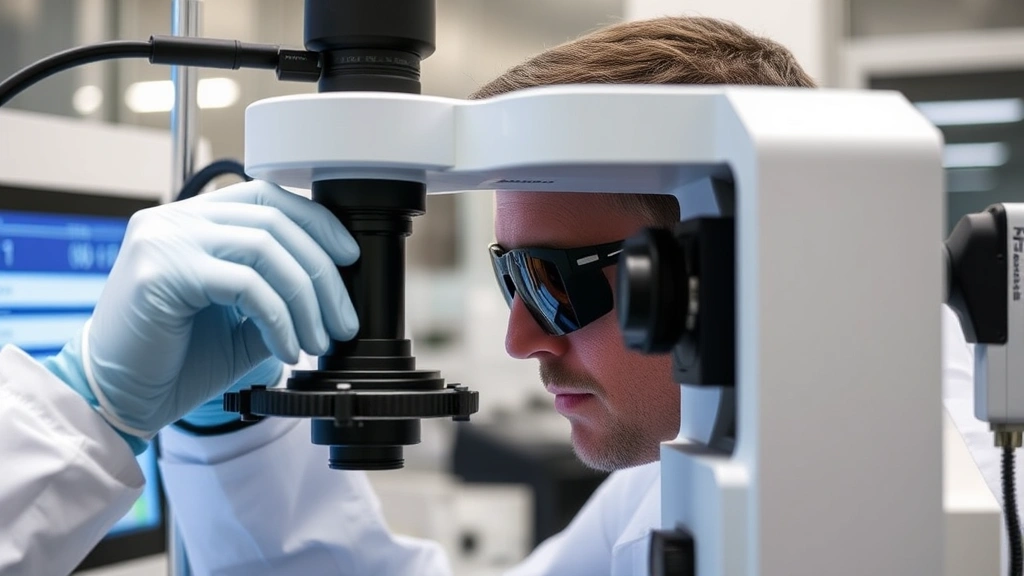
Laboratory spectrophotometry is the gold standard for measuring UV transmission through lenses. Specialized equipment measures the percentage of UV radiation at various wavelengths that passes through the lens material. Results are plotted across the UV spectrum, showing protection levels at UVA and UVB wavelengths. This testing provides objective data about actual UV blocking performance.
UV meters and field testing can provide approximate measurements, though they’re less precise than laboratory spectrophotometry. Some optical retailers use handheld UV meters to verify that sunglasses block UV radiation, though these devices have limitations in accuracy and may not test the entire UV spectrum comprehensively.
Accelerated aging tests assess how UV protection holds up over time. Lenses are exposed to intense UV radiation and environmental stressors to simulate years of use in compressed timeframes. This testing helps manufacturers understand coating durability and identify products that maintain protection through extended use.
Impact testing verifies that lenses can withstand physical stress without failure. High-velocity impact tests ensure lenses don’t shatter or crack easily, protecting eyes from injuries caused by lens failure.
When purchasing premium sunglasses, you can request documentation of these tests from manufacturers. Reputable brands maintain testing records and can provide certificates of compliance with relevant standards.
FAQ
Do all sunglasses labeled “100% UV” actually provide complete protection?
Most reputable brands provide genuine 100% UV protection when labeled as such, but independent testing has occasionally revealed discrepancies. Purchasing from authorized retailers and requesting certification documentation significantly reduces the risk of purchasing substandard products. Counterfeit sunglasses and products from unauthorized sellers are more likely to have misleading UV protection claims.
Can UV protection degrade over time?
Yes, UV coatings can gradually degrade through exposure to heat, scratching, and environmental chemicals. This is why opticians recommend replacing sunglasses every 2-3 years for consistent protection. Proper storage in protective cases away from extreme heat extends the protective lifespan.
Are expensive designer sunglasses better for UV protection?
Price doesn’t directly correlate with UV protection strength. An inexpensive pair from a reputable retailer can provide equal UV protection compared to expensive designer sunglasses. However, premium brands often offer superior build quality, lens clarity, and durability. Focus on certifications and standards compliance rather than brand prestige when evaluating UV protection specifically.
Do prescription glasses need separate UV protection?
Regular prescription lenses don’t inherently provide UV protection. You need either prescription sunglasses with UV coating or UV coatings applied to your regular prescription lenses. Many optometrists can add UV coatings to existing prescription glasses, making this an affordable way to gain UV protection.
What’s the difference between UV protection and polarization?
UV protection blocks ultraviolet radiation that can damage eye structures. Polarization reduces glare from reflected light, improving visual comfort and clarity. While polarization doesn’t provide additional UV protection, it enhances the wearing experience and reduces eye strain. Both features are valuable but serve different purposes.
Should children wear UV-protective sunglasses?
Absolutely. Children’s eyes are more vulnerable to UV damage because their natural protective mechanisms haven’t fully developed. By age 18, most people have received 80% of their lifetime UV exposure. Ensuring children wear UV-protective sunglasses outdoors significantly reduces their lifetime risk of UV-related eye diseases.
Can I verify UV protection myself?
While specialized laboratory equipment provides the most accurate measurements, some optical retailers have UV meters that can perform basic verification. For definitive verification, request that manufacturers provide testing documentation or certificates of compliance with ANSI Z80.3 or ISO 12312-1 standards.


