
100 Dollar Bill Safety: Expert Insights on Expert Insights on Security Features
The $100 bill represents one of the most counterfeited denominations in circulation, making its security features critical for protecting the financial system. Understanding these protective mechanisms helps individuals and businesses identify genuine currency while defending against sophisticated forgery attempts. The U.S. Department of the Treasury has continuously evolved the design of this high-value note to stay ahead of counterfeiters who employ increasingly advanced technology.
Modern currency security extends far beyond simple printing techniques. The $100 bill incorporates multiple layers of protection that work together to create a comprehensive defense system. From specialized inks to microprinting and embedded security threads, each feature serves a specific purpose in authentication. This comprehensive approach reflects decades of security research and real-world counterfeiting prevention experience.
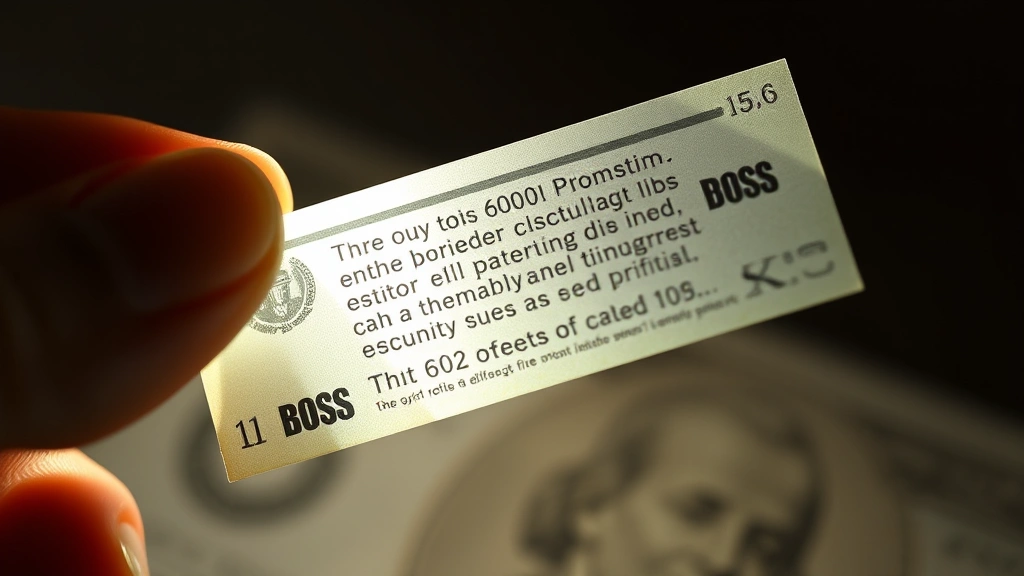
Understanding Currency Security Fundamentals
Currency security represents a specialized field within cybersecurity and physical protection systems. The $100 bill’s design incorporates principles similar to those used in secure document authentication, where multiple verification layers prevent unauthorized reproduction. The Treasury Department works continuously to implement new security measures that remain ahead of counterfeiting technology.
The foundation of $100 bill security rests on several interconnected principles. First, security features must be difficult to reproduce with standard printing equipment. Second, they should be easy for average citizens to verify without specialized tools. Third, the features should integrate seamlessly into the bill’s design without appearing artificial or obvious. The combination of these principles creates a robust authentication system that has protected American currency for decades.
According to the U.S. Treasury Department, counterfeiters continuously adapt their techniques, necessitating regular updates to security features. The agency collaborates with law enforcement, financial institutions, and international partners to monitor emerging threats and develop countermeasures. This proactive approach ensures that currency security remains effective against evolving technological capabilities.
The $100 bill underwent a major redesign in 2013 to incorporate advanced security features that address contemporary counterfeiting methods. This redesign represented a significant investment in security infrastructure, with new features designed to be difficult for digital reproduction technology to capture accurately. The integration of these features demonstrates the sophisticated nature of modern currency protection.
Color-Shifting Ink Technology
One of the most distinctive security features of the modern $100 bill is its color-shifting ink, located in the lower right corner. This ink changes color when the bill is tilted, shifting between copper and green hues. The technology behind this feature represents a significant advancement in anti-counterfeiting measures, as reproducing this effect requires specialized equipment and materials not readily available to counterfeiters.
The color-shifting ink utilizes microscopic metallic particles suspended in a special medium. When light reflects off these particles at different angles, the perceived color changes. This optical effect cannot be replicated through standard photocopying or digital printing methods. Even high-quality color printers struggle to capture the dynamic nature of this feature, making it one of the most reliable authentication methods for casual verification.
The placement of the color-shifting ink in the lower right corner serves a strategic purpose. This location is prominently visible when the bill is held in normal viewing positions, allowing quick visual verification without requiring special inspection techniques. The feature works in conjunction with other security elements to create a comprehensive authentication system that provides multiple verification points.
Financial institutions and retail businesses rely heavily on color-shifting ink verification during high-value transactions. The feature’s prominence and ease of verification make it an ideal first-line authentication method. When combined with other security features, the color-shifting ink provides strong evidence of bill authenticity. Training cashiers and bank tellers to recognize this feature has proven highly effective in reducing counterfeit currency circulation.
Security Thread and Watermark Integration
The security thread embedded within the $100 bill represents another critical authentication feature. This thread runs vertically through the bill and contains the text “THE UNITED STATES OF AMERICA” and the numeral “100.” The thread is positioned differently on each denomination, making it impossible for counterfeiters to use the same template across multiple bill values.
The security thread incorporates color-shifting properties that complement the ink security features. When held to light, the thread becomes clearly visible and displays the embedded text. This combination of visibility properties and text integration creates a feature that is both easy for authorized personnel to verify and extremely difficult to counterfeit accurately. The thread’s positioning within the bill’s layers adds another layer of complexity to reproduction attempts.
Watermarks in the $100 bill appear when the currency is held up to light. These watermarks display Benjamin Franklin’s portrait and match the main design element on the bill’s face. The watermark technology uses variations in paper thickness to create the image, a technique that requires specialized equipment to reproduce. The integration of watermarks with other security features creates a comprehensive verification system.
The combination of security threads and watermarks provides authentication redundancy. If one feature is compromised or questioned, the presence of the other confirms authenticity. This layered approach reflects sophisticated security thinking, where multiple independent verification methods ensure reliable authentication. Financial professionals are trained to check both features as part of standard currency verification procedures.
Modern currency security research continues to evolve these features. The Bureau of Engraving and Printing maintains ongoing research programs to develop enhanced security technologies. These programs examine emerging counterfeiting techniques and develop preventative measures that maintain the integrity of U.S. currency.
Microprinting and Fine Line Patterns
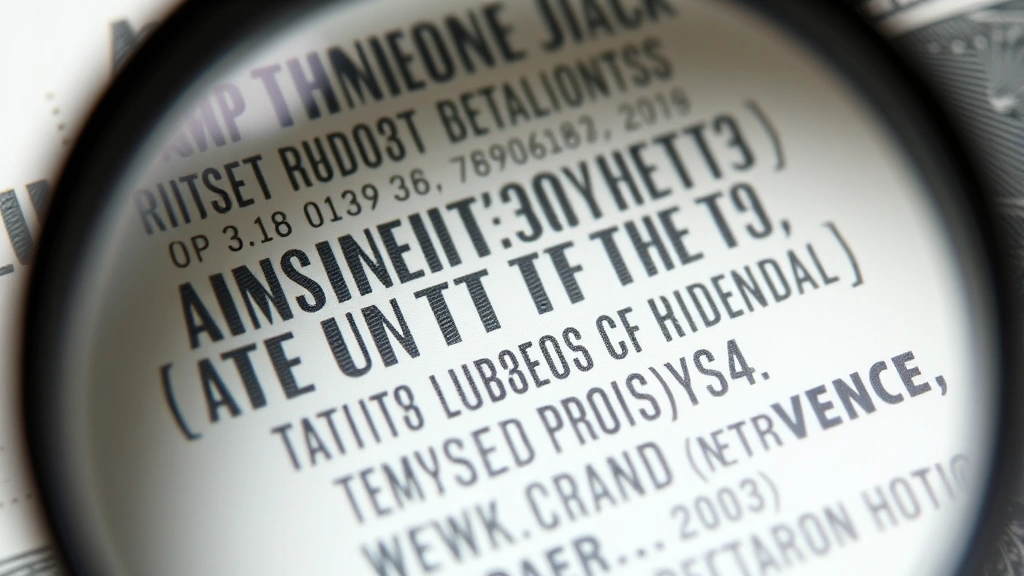
Microprinting technology represents one of the most sophisticated security features integrated into modern currency. The $100 bill contains microprinted text that appears as solid lines when viewed with the naked eye but becomes readable text when magnified. This feature is positioned in multiple locations on the bill, including the collar area and other design elements.
The microprinting process requires precision printing equipment capable of producing text at sizes far smaller than standard printing. Reproducing this feature with consumer-grade equipment is virtually impossible, as the resolution and precision required exceed the capabilities of standard printers. The text remains legible only under magnification, typically requiring 10x to 15x magnification to read clearly.
Fine line patterns work in conjunction with microprinting to create additional security depth. These intricate patterns appear throughout the bill’s design and serve both aesthetic and security purposes. The patterns are designed to create moiré effects when scanned or photocopied, distorting the image in ways that make digital reproduction obviously flawed. This feature specifically targets digital counterfeiting methods that rely on scanning and printing technology.
The placement of microprinted text in multiple locations throughout the bill ensures that authentication requires checking various design elements. This distributed approach prevents counterfeiters from focusing their reproduction efforts on a single area. Instead, they must achieve high-quality reproduction across the entire bill surface, significantly increasing the complexity and cost of counterfeiting operations.
Advanced Security Features in Modern Bills
The 2013 redesign of the $100 bill introduced several advanced security features that represent the current state of currency protection technology. These features incorporate principles from the National Institute of Standards and Technology security guidelines and reflect collaboration between government agencies and private security experts.
The bell in the inkwell feature represents one of the most innovative security elements. This 3D security feature appears in the lower right corner and displays a bell that moves and changes appearance when the bill is tilted. The feature utilizes specialized printing techniques that create genuine three-dimensional effects impossible to replicate with standard printing methods.
Enhanced security features also include the vignette security feature, which adds depth and dimension to the portrait of Benjamin Franklin. This feature uses specialized inks and printing techniques to create layered effects that enhance the bill’s visual security while maintaining aesthetic appeal. The combination of artistic design and technical security represents a balance between usability and protection.
The numeral “100” in the lower right corner incorporates color-shifting properties that work independently from other color-shifting elements on the bill. This redundancy ensures that even if one security feature is compromised, others remain effective. The multiple color-shifting elements throughout the bill create a comprehensive verification system that requires multiple checks for complete authentication.
How to Verify Authenticity
Verifying $100 bill authenticity involves systematic checking of multiple security features. Begin by examining the color-shifting ink in the lower right corner. Tilt the bill to observe the color change from copper to green. This feature should respond immediately to tilting and display smooth color transitions without pixelation or distortion.
Next, hold the bill up to light to examine the security thread and watermark. The security thread should be clearly visible with embedded text reading “THE UNITED STATES OF AMERICA” and “100.” The watermark should display Benjamin Franklin’s portrait matching the main design. Both features should be clearly visible without requiring excessive light intensity.
Examine the microprinting in the collar area using magnification. The text should be clearly readable under 10x to 15x magnification, appearing as distinct letters rather than blurred lines. Check multiple microprinted areas on the bill to ensure consistent quality. Any inconsistency in microprinting quality suggests potential counterfeiting.
Assess the fine line patterns and overall print quality. The lines should be crisp and distinct without fading or distortion. Run your finger across the bill’s surface to check for intaglio printing, which creates a slightly raised texture that can be felt. The intaglio process is used for key design elements and creates a tactile security feature distinct from standard printing.
Check the color of the bill carefully. The $100 bill features a blue security ribbon and enhanced colors compared to earlier designs. The colors should be vibrant and consistent throughout the bill without fading or uneven coloration. Examine the back of the bill as well, ensuring that all design elements are clear and properly positioned.
For high-value transactions, consider using currency verification equipment available through financial institutions. These devices use advanced scanning technology to verify multiple security features simultaneously. The equipment provides objective verification that supplements visual inspection, particularly for large quantities of currency.
FAQ
What is the most reliable security feature on the $100 bill?
The color-shifting ink in the lower right corner represents one of the most reliable and easily verified security features. This feature is difficult to counterfeit, easily observable without equipment, and provides immediate visual confirmation. However, comprehensive authentication requires checking multiple features rather than relying on a single element.
Can counterfeiters replicate security features?
While sophisticated counterfeiters can replicate individual security features, reproducing the complete combination of features on a $100 bill remains extremely difficult. The integration of multiple independent security technologies creates redundancy that prevents complete counterfeiting. Advanced counterfeiting operations may replicate some features but typically fail on others, allowing detection.
How often do security features change?
The U.S. Treasury updates currency security features periodically to address emerging counterfeiting technologies. Major redesigns typically occur every 7-10 years, with the most recent $100 bill redesign occurring in 2013. Ongoing research continues to develop new security technologies for future currency updates.
Are older $100 bills less secure?
Older $100 bills feature less advanced security technology compared to modern designs. However, they remain valid currency and include security features appropriate for their era. Older bills may be more susceptible to counterfeiting using older techniques, but they are still protected by multiple security layers.
What should I do if I suspect a counterfeit bill?
Do not attempt to spend suspected counterfeit currency. Instead, contact local law enforcement or the U.S. Secret Service, which investigates counterfeiting crimes. Provide details about where the bill was obtained and any distinguishing characteristics. The agency will determine authenticity and investigate the source.
Can I use digital methods to verify bill authenticity?
Digital verification methods provide supplementary verification but should not replace physical inspection. Many security features specifically resist digital reproduction, making digital verification less reliable than direct physical examination. Professional currency verification equipment combines multiple detection methods for comprehensive authentication.


